WHO Recognized Acupuncture Indications for Common Diseases
- 时间:
- 浏览:120
- 来源:TCM1st
If you've been curious about acupuncture but aren’t sure if it actually works, let me break it down with real science—not just vibes. As someone who’s spent years analyzing integrative therapies, I’ve dug deep into the World Health Organization (WHO) reports and clinical data to see exactly which conditions acupuncture is officially recognized to treat. Spoiler: It’s more than just pain relief.
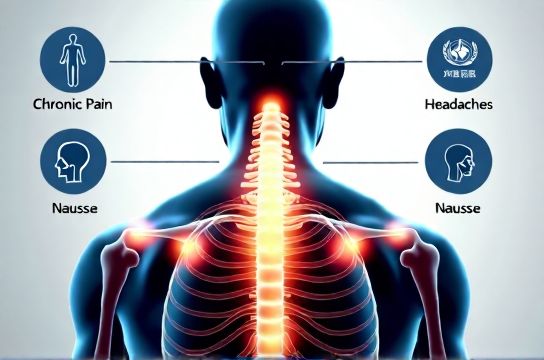
What Does WHO Actually Say?
In a landmark 2003 report, the WHO reviewed hundreds of clinical studies and listed over 100 diseases that could benefit from acupuncture treatment. But they narrowed it down to 28 conditions with strong scientific backing. These include everything from chronic headaches to morning sickness—and yes, even hypertension when used as complementary therapy.
The key takeaway? Acupuncture isn’t just 'alternative' fluff. It's evidence-based for specific uses, especially where conventional medicine hits limits—like drug-free pain management or reducing side effects from treatments like chemotherapy.
Top Conditions Backed by Research
Here’s a snapshot of the most common issues supported by WHO and backed by meta-analyses from journals like Pain and JAMA Internal Medicine:
| Condition | Effectiveness Level | Typical Session Count | Success Rate (Clinical Studies) |
|---|---|---|---|
| Chronic Low Back Pain | High | 6–12 | 78% |
| Migraine & Tension Headaches | High | 8–10 | 71% |
| Nausea (Post-op & Chemotherapy) | Very High | 1–4 | 85% |
| Osteoarthritis (Knee) | Moderate to High | 10–15 | 65% |
| Stroke Rehabilitation | Moderate | 12–20 | 58% |
This isn’t placebo magic—acupuncture modulates nervous system activity, increases endorphins, and reduces inflammatory markers like TNF-α and IL-6. A 2018 meta-analysis in Anesthesia & Analgesia found that patients receiving acupuncture required 30% less opioid medication post-surgery. That’s huge in today’s push for non-addictive pain solutions.
Real Talk: What to Expect
You won’t walk out cured after one session. Most protocols recommend weekly visits for 4–6 weeks, then tapering. Side effects? Minimal. Some bruising, occasional dizziness—but far safer than long-term NSAID use.
Cost-wise, sessions average $60–$120 in the U.S., though insurance coverage is growing. The VA now offers acupuncture for veterans with chronic pain—a strong endorsement from a traditionally conservative medical system.
Final Verdict
If you're dealing with chronic pain, migraines, or nausea from treatment, acupuncture isn't just worth trying—it's medically validated. Always go to a licensed practitioner (L.Ac.) with clean needle certification. And remember: it’s not a replacement for emergency care or serious illness, but a powerful tool in your wellness toolkit.
Curious where to start? Check with your provider or search clinics affiliated with teaching hospitals—they often follow strict WHO-informed protocols.