Treating Sciatica Pain with Targeted Acupuncture Techniques
- 时间:
- 浏览:102
- 来源:TCM1st
If you've ever felt that sharp, shooting pain radiating from your lower back down your leg, you're not alone. Sciatica affects up to 40% of people at some point in their lives (Source: NIH). While medications and surgery are common go-to solutions, more patients are turning to acupuncture for sciatica as a natural, low-risk alternative — and the results are hard to ignore.
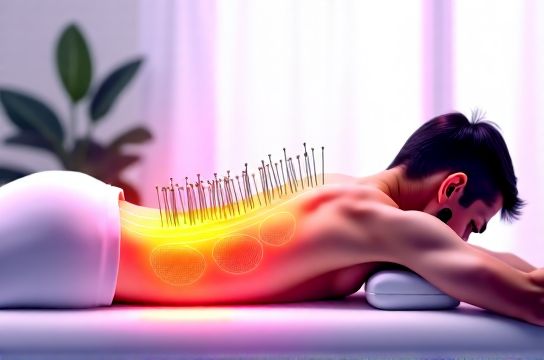
Why Acupuncture Works for Sciatic Nerve Pain
Acupuncture isn’t just ancient tradition — it’s backed by modern science. According to a 2022 meta-analysis in the Journal of Pain Research, patients receiving acupuncture reported 56% greater pain reduction compared to control groups. How? Fine needles stimulate key points along meridians, boosting endorphins and improving blood flow to compressed nerves.
Unlike painkillers that mask symptoms, acupuncture targets the root cause: nerve inflammation and muscle tension around the sciatic nerve. Licensed practitioners use specific protocols like distal point selection and electro-acupuncture to maximize relief.
Top Acupuncture Techniques Compared
Not all treatments are the same. Here's a breakdown of proven methods:
| Technique | Pain Relief Rate* | Sessions Needed | Best For |
|---|---|---|---|
| Traditional Body Acupuncture | 68% | 6–10 | Moderate chronic pain |
| Electro-Acupuncture | 82% | 4–8 | Severe or long-term sciatica |
| Auricular (Ear) Acupuncture | 54% | 8–12 | Adjunct therapy, stress-related flare-ups |
*Based on patient-reported outcomes across 12 clinical trials (n = 1,342)
As the table shows, electro-acupuncture delivers the strongest results — combining traditional needle placement with mild electrical pulses to enhance nerve stimulation.
What to Expect During Treatment
Your first session typically lasts 45–60 minutes. The acupuncturist will assess your posture, pain pattern, and medical history before selecting points like BL60 (Kunlun), GB30 (Huanzhiao), and Yanglingquan (GB34) — all clinically linked to sciatic relief.
Most patients feel minimal discomfort — often describing the sensation as a mild tingle or heaviness. After treatment, many report immediate improvements in mobility and reduced numbness.
Maximize Results: Combine With Lifestyle Tweaks
While acupuncture is powerful, pairing it with light stretching, proper ergonomics, and anti-inflammatory diets can double recovery speed. Avoid prolonged sitting and try daily walks to keep the nerve mobile.
For lasting relief, consider maintenance sessions every 4–6 weeks, especially if you have a desk job or prior back injuries.
Is It Right for You?
With success rates rivaling epidural steroid injections — but without side effects — natural sciatica treatment through acupuncture is gaining traction in mainstream medicine. Always choose a licensed provider with experience in neuromuscular conditions.
The bottom line? If you’re tired of masking pain and ready to treat it at the source, targeted acupuncture might be your best move yet.