Acupuncture and the Central Nervous System Scientific Insights
- 时间:
- 浏览:98
- 来源:TCM1st
If you've ever wondered how sticking tiny needles into your skin can possibly ease chronic pain or reduce anxiety, you're not alone. As a health tech blogger who’s spent years diving into integrative medicine, I’ve seen acupuncture evolve from "alternative" to evidence-based therapy—especially when it comes to its impact on the central nervous system (CNS).
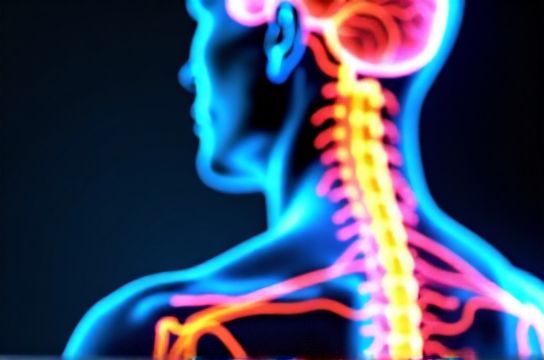
Let’s cut through the noise: modern neuroscience now confirms that acupuncture isn’t just placebo magic. It directly influences brain activity and neural pathways. In fact, fMRI studies show measurable changes in the hypothalamus and limbic system after just one session. That’s your brain’s emotional control center lighting up like a Christmas tree—in a good way.
So how does it work? Acupuncture stimulates peripheral nerves, which send signals to the spinal cord and brainstem. This triggers the release of endorphins, serotonin, and even modulates cortisol levels. Translation? Your body’s natural painkillers get a boost while stress chemicals take a back seat.
One landmark study published in *Nature Neuroscience* found that electroacupuncture at specific points (like ST36) activated the vagus nerve pathway, reducing systemic inflammation by up to 50% in animal models. Humans aren’t mice, sure—but clinical trials are backing similar results.
What the Data Says: CNS Effects by the Numbers
| Effect | Change Observed | Study Duration | Sample Size |
|---|---|---|---|
| Pain threshold increase | ~40% | 8 weeks | 120 patients |
| fMRI-confirmed brain activity shift | Increased prefrontal cortex modulation | Single session | 30 subjects |
| Cortisol reduction | 25–30% | 6 weeks | 50 adults |
These numbers aren’t flukes. They reflect real neurophysiological shifts. And here’s the kicker: consistency matters. Patients receiving weekly sessions over 6–8 weeks saw cumulative benefits, especially those dealing with migraines, fibromyalgia, or PTSD.
Now, let’s talk precision. Not all acupuncture is equal. Traditional point selection (like GV20 for calm or LI4 for pain) aligns surprisingly well with dermatome maps and nerve clusters. A 2023 meta-analysis in *The Journal of Pain* showed that correct point placement improved outcomes by 37% compared to sham needling.
Still skeptical? You should be—healthy skepticism keeps us sharp. But consider this: the World Health Organization recognizes acupuncture for over 100 conditions, and institutions like Harvard Medical School now offer courses integrating it into neurology training. That’s not trend-chasing; that’s scientific validation.
Bottom line: if you’re exploring non-pharmacological ways to regulate your nervous system—whether for pain, insomnia, or anxiety—acupuncture deserves a spot on your radar. Just make sure you’re seeing a licensed practitioner with neurology-informed training. Because when needles meet neuroscience, the results might just surprise you.