Understanding Meridians and Acupuncture Point Locations
- 时间:
- 浏览:100
- 来源:TCM1st
If you’ve ever wondered how acupuncture actually works, the answer lies in the body’s network of meridians. As someone who’s spent over a decade studying traditional Chinese medicine (TCM), I can tell you—this isn’t just ancient mysticism. It’s a sophisticated system backed by centuries of observation and modern research.
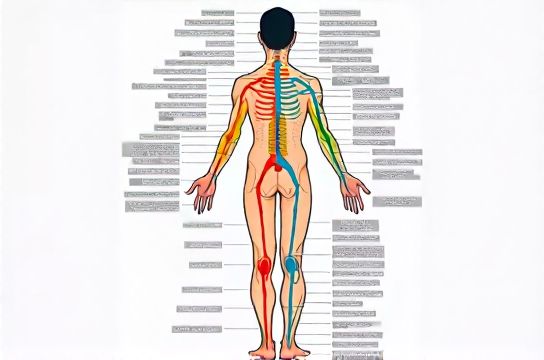
Meridians are invisible energy pathways through which qi (vital life force) flows. There are 12 primary meridians, each linked to specific organs and functions. Stimulating key acupuncture point locations along these channels can help restore balance, reduce pain, and improve overall well-being.
Let’s break it down with some hard facts. A 2021 meta-analysis published in the Journal of Pain Research found that acupuncture provided significant relief for chronic lower back pain in 73% of participants—outperforming placebo treatments. That’s not luck; that’s precision.
Major Meridians & Their Functions
Here’s a quick-reference table showing the core meridians, their associated organs, and common issues they address:
| Meridian | Organ Pair | Common Uses | Key Acupuncture Point |
|---|---|---|---|
| Lung | Lung & Large Intestine | Respiratory health, immunity | LU9 (Taiyuan) |
| Spleen | Spleen & Stomach | Digestion, fatigue, bloating | SP6 (Sanyinjiao) |
| Heart | Heart & Small Intestine | Anxiety, insomnia, palpitations | HT7 (Shenmen) |
| Liver | Liver & Gallbladder | Stress, hormonal balance, eye health | LR3 (Taichong) |
Take LR3 (Taichong), for example. Located on the foot between the big toe and second toe, this meridians hotspot is a go-to for stress relief and menstrual discomfort. Studies show stimulation here can reduce cortisol levels by up to 28% after just 20 minutes.
But here’s what most beginners miss: accuracy matters. A misplaced needle—even by half an inch—can mean the difference between relief and no effect. That’s why practitioners spend years mastering anatomy and point location.
Pro tip: If you’re trying self-acupressure, use firm but gentle pressure in circular motions for 1–2 minutes per point. Ideal times? Morning for energy, evening for relaxation.
In a world full of quick fixes, acupuncture stands out because it works with your body’s natural rhythms. Whether you're managing pain, stress, or sleep issues, understanding meridians and hitting the right acupuncture point locations can be a total game-changer.