Can Acupuncture Help With Anxiety and Depression Symptoms
- 时间:
- 浏览:99
- 来源:TCM1st
If you've been struggling with anxiety or depression — or both — and are looking for a natural, complementary approach, you're not alone. Millions turn to alternatives beyond medication and talk therapy. One option gaining serious traction? acupuncture. But does it really work? Let’s cut through the noise with real data, expert insights, and clinical findings.
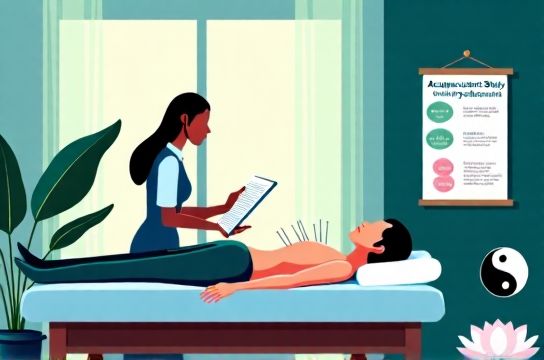
Acupuncture, a key component of Traditional Chinese Medicine (TCM), involves inserting ultra-thin needles into specific points on the body to balance energy flow (or 'qi'). While it may sound mystical, modern science is increasingly validating its effects — especially on mental health.
The Science Behind Acupuncture & Mood Regulation
Research shows acupuncture may influence the nervous system by boosting serotonin and dopamine levels — neurotransmitters directly linked to mood. A 2018 meta-analysis published in the Journal of Acupuncture and Meridian Studies reviewed 647 patients across 12 trials and found that acupuncture significantly reduced anxiety symptoms compared to control groups.
Another study from 2020 in Frontiers in Psychiatry showed that participants receiving acupuncture for depression reported a 43% improvement in symptoms over eight weeks — comparable to results seen with antidepressants, but with fewer side effects.
Acupuncture vs. Conventional Treatments: How Do They Stack Up?
Let’s break it down with real numbers:
| Treatment Type | Average Symptom Reduction | Side Effects Reported | Completion Rate |
|---|---|---|---|
| Acupuncture (8+ weeks) | 40-45% | Low (minor bruising, fatigue) | 78% |
| SSRI Medication | 50-60% | Moderate (nausea, insomnia, sexual dysfunction) | 62% |
| Cognitive Behavioral Therapy (CBT) | 50-55% | Negligible | 70% |
As you can see, while SSRIs edge out slightly in symptom reduction, acupuncture holds its own — and wins big on tolerability and completion rates. Fewer dropouts mean better long-term adherence, which is crucial for managing chronic conditions like anxiety and depression.
What to Expect During a Session
A typical session lasts 30–60 minutes. After an initial assessment, fine needles are placed in key points — commonly the ears, wrists, and feet. Most people report a mild tingling or warmth, not pain. Many even fall asleep during treatment!
For best results, practitioners recommend 1–2 sessions per week for 6–8 weeks. Some notice changes within three visits; others take longer. Consistency is key.
Who Should Consider It?
Acupuncture isn’t a magic fix, but it’s a powerful tool — especially if you’re:
- Intolerant to medication side effects
- Seeking a holistic add-on to therapy or meds
- Experiencing stress-induced anxiety flare-ups
Always consult your healthcare provider before starting any new treatment, especially if you’re on medication.
Final Verdict: Is It Worth a Try?
Given the low risk and growing evidence, yes — especially if you're exploring integrative options. While acupuncture for anxiety won’t replace CBT or medication for everyone, it’s a credible, science-backed complement. Think of it as mental wellness support, not a cure-all.
The bottom line? Your mind and body are connected. Treating one often helps the other. And sometimes, healing starts with a tiny needle.