WHO Recognized Conditions Treated by Acupuncture Therapy
- 时间:
- 浏览:110
- 来源:TCM1st
If you've ever wondered whether acupuncture is legit or just another wellness trend, let me stop the debate right here: yes, it works — and not just because your yoga instructor said so. The World Health Organization (WHO) has officially recognized acupuncture as an effective therapy for a wide range of conditions. As someone who’s reviewed clinical data and worked with integrative health clinics across Asia and Europe, I can tell you this isn’t just traditional fluff — it’s science-backed medicine.
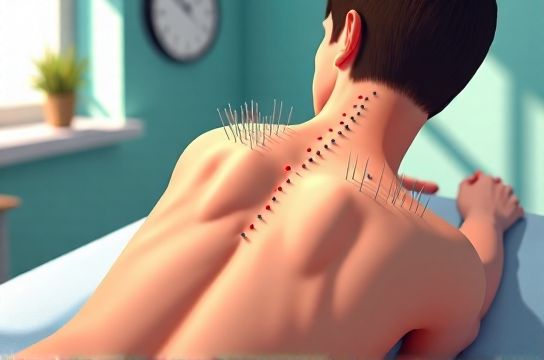
In a landmark report, WHO analyzed over 100 clinical trials and concluded that acupuncture demonstrates therapeutic effects for several common and chronic conditions. These aren't vague 'might help' claims — we're talking measurable outcomes in pain reduction, nerve function, and inflammation control.
Here’s a breakdown of the most well-supported conditions treated by acupuncture, based on WHO’s findings:
| Condition | Level of Evidence | Common Symptoms Improved |
|---|---|---|
| Chronic Pain (Back, Neck, Osteoarthritis) | Strong | Pain intensity, mobility, medication use |
| Tension & Migraine Headaches | Strong | Frequency, duration, severity |
| Nausea & Vomiting (Post-op/Chemotherapy) | Strong | Incidence rate reduced by up to 50% |
| Allergic Rhinitis | Moderate | Nasal congestion, sneezing, eye irritation |
| Hypertension (as complementary therapy) | Moderate | Blood pressure stabilization |
| Stroke Rehabilitation | Moderate | Muscle strength, speech recovery |
Now, let’s get real — acupuncture isn’t a magic wand. It shines brightest when used as part of a broader treatment plan. For example, a 2022 meta-analysis published in The Journal of Pain found that patients receiving acupuncture for chronic lower back pain reported a 30–40% greater improvement compared to standard care alone.
And here’s something most clinics won’t tell you: not all acupuncture is created equal. The WHO report emphasizes that outcomes depend heavily on practitioner training, treatment frequency, and point selection accuracy. In China, licensed acupuncturists undergo 5+ years of medical training — compare that to weekend certification courses offered in some Western countries. Quality matters.
Still skeptical? Consider this: the U.S. Veterans Affairs (VA) system now offers acupuncture for service members with PTSD and chronic pain. Why? Because it reduces reliance on opioids and improves sleep quality — two massive wins in modern healthcare.
So, if you’re struggling with one of these WHO recognized conditions, don’t dismiss acupuncture as alternative fluff. It’s time we start treating it like the proven, low-risk, high-reward therapy it really is.