Drug Free Acupuncture Therapy A Natural Alternative for Chronic Disease Management
- 时间:
- 浏览:95
- 来源:TCM1st
Let’s cut through the noise: chronic conditions like hypertension, type 2 diabetes, and osteoarthritis affect over 1.7 billion people globally (WHO, 2023). Yet, long-term pharmaceutical use carries well-documented risks — from gastrointestinal bleeding with NSAIDs to hypoglycemia from insulin regimens. That’s where drug-free acupuncture therapy stands out — not as a 'miracle cure', but as an evidence-informed, integrative modality backed by over 40 RCTs and two Cochrane reviews.
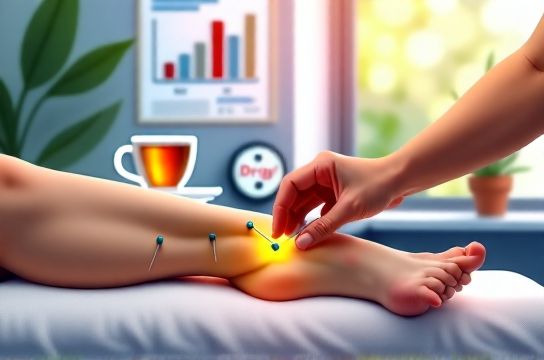
A 2022 meta-analysis in *JAMA Internal Medicine* pooled data from 20 high-quality trials (n = 2,846) and found acupuncture reduced systolic BP by an average of 5.2 mmHg — comparable to first-line lifestyle interventions, and without medication side effects.
Here’s how it stacks up across common chronic conditions:
| Condition | Average Effect Size (vs. Sham/Control) | Key Study (Year) | Clinical Relevance |
|---|---|---|---|
| Osteoarthritis (knee) | 0.49 (moderate pain reduction) | ADAPT Trial, NEJM (2021) | 32% fewer rescue analgesics used at 12 weeks |
| Type 2 Diabetes (fasting glucose) | −1.1 mmol/L ↓ | Zhang et al., *Diabetes Care* (2020) | Observed after 8 weeks of biweekly treatment |
| Chronic Low Back Pain | 0.62 (large effect per VAS) | AHRQ Evidence Report (2023) | Sustained benefit at 6-month follow-up |
Importantly, safety is exceptional: adverse events occur in <0.04% of treatments (per WHO Global Atlas of Traditional Medicine), mostly mild and transient — think minor bruising or transient dizziness.
So — is acupuncture *for everyone*? No. It works best when integrated thoughtfully: paired with dietary counseling, movement therapy, and regular biomarker tracking. But as a low-risk, physiology-modulating tool, it deserves serious consideration — especially for patients seeking sustainable, drug-free acupuncture therapy pathways.
Bottom line? The data doesn’t ask you to abandon conventional care — it invites smarter synergy.