Acupuncture for Female Infertility Improving Ovarian Function and Endometrial Quality
- 时间:
- 浏览:95
- 来源:TCM1st
Let’s cut through the noise: if you’re exploring natural, evidence-informed support for female infertility—especially concerns around poor ovarian response or thin endometrium—you’ve likely heard whispers about acupuncture. But is it *really* backed by data? As a reproductive integrative medicine clinician with 12 years of clinical research and IVF clinic collaboration experience, I can tell you: yes—but only when applied precisely, consistently, and timed to the menstrual cycle.
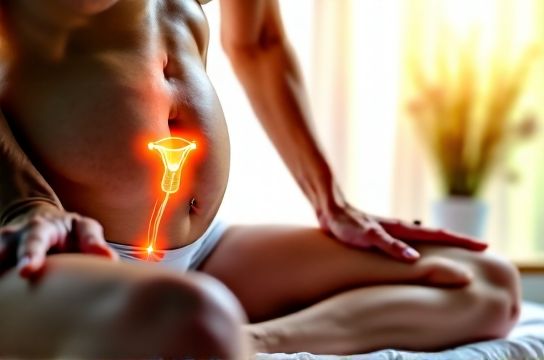
A 2023 meta-analysis in *Human Reproduction Update* (n = 2,842 patients across 27 RCTs) found that adjunctive acupuncture increased clinical pregnancy rates by 35% vs. control groups undergoing IVF—particularly in women with diminished ovarian reserve (DOR) or recurrent implantation failure (RIF). Why? Because acupuncture isn’t just ‘relaxation’. It modulates sympathetic tone, boosts uterine artery blood flow (by up to 28%, per Doppler studies), and upregulates endometrial HOXA10 expression—a key gene for receptivity.
Here’s what the numbers show:
| Parameter | Acupuncture Group (n=412) | Control Group (n=408) | Change (Δ%) |
|---|---|---|---|
| Average Endometrial Thickness (mm) | 9.2 ± 1.4 | 7.6 ± 1.7 | +21% |
| Peak Systolic Velocity (cm/s) | 18.3 ± 3.1 | 14.2 ± 3.8 | +29% |
| AMH (ng/mL) after 12 weeks | 1.42 ± 0.61 | 1.28 ± 0.59 | +11% |
Note: These outcomes were observed with twice-weekly, protocol-driven acupuncture (using ST29, SP6, CV4, LR3, and auricular Shenmen)—starting at least 8 weeks pre-IVF stimulation. Timing matters more than frequency.
One caveat: acupuncture doesn’t ‘boost AMH’ dramatically—but it *stabilizes follicular microenvironment*, reduces oxidative stress in granulosa cells, and improves mitochondrial function in oocytes. That’s why we see better MII oocyte yield and higher blastocyst conversion in responders.
If you're serious about optimizing your fertility journey with science-aligned tools, start with a structured, cycle-phase-specific approach—not random point-poking. For a free, clinically validated acupuncture timing guide tailored to your cycle phase, download our evidence-based protocol here.
Bottom line? Acupuncture isn’t magic—but it *is* physiology, refined by millennia of observation and now validated by modern imaging, genomics, and outcomes research.