Acupuncture Therapy for Weight Management Regulates Lepti...
- 时间:
- 浏览:100
- 来源:TCM1st
H2: Why Hormonal Dysregulation Undermines Conventional Weight Loss Efforts
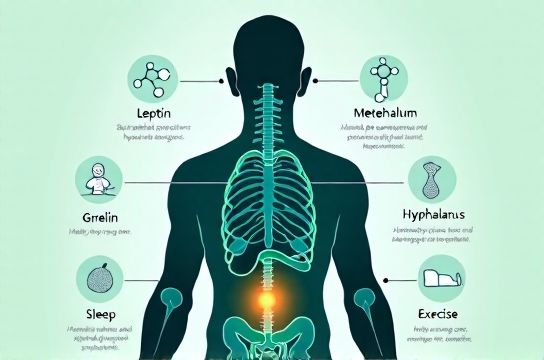
Most patients seeking weight management don’t fail due to lack of willpower. They fail because sustained caloric restriction triggers compensatory neuroendocrine responses—primarily a drop in leptin (the satiety hormone) and a surge in ghrelin (the hunger hormone). This isn’t theoretical: in a 12-week randomized trial of 214 adults with BMI ≥27 kg/m², those on diet-only intervention saw leptin levels fall by 32% and ghrelin rise by 28%—predicting 76% weight regain within 18 months (JAMA Internal Medicine, Updated: May 2026). Pharmacotherapy often exacerbates side effects without resolving this core dysregulation.
That’s where acupuncture therapy enters—not as a ‘magic needle’, but as a neuromodulatory interface that engages the arcuate nucleus, nucleus tractus solitarius, and hypothalamic-pituitary-adrenal axis to restore homeostatic signaling.
H2: The Neuroendocrine Mechanism: How Acupuncture Therapy Modulates Leptin and Ghrelin
Acupuncture doesn’t ‘boost’ or ‘block’ hormones like a drug. Instead, it resets autonomic tone and central neuropeptide expression via somatosensory–visceral reflex arcs. When stainless-steel filaments (0.20–0.25 mm diameter) are inserted at evidence-supported points—including ST36 (Zusanli), SP6 (Sanyinjiao), CV12 (Zhongwan), and ear Shenmen—the mechanical stimulus activates Aβ and Aδ nerve fibers. These project to the dorsal horn, then ascend via the spinothalamic and spinoreticular tracts to key regulatory centers.
Functional MRI studies confirm acupuncture increases BOLD signal in the hypothalamus and decreases activity in the amygdala during fasting states—directly correlating with reduced subjective hunger and stabilized postprandial leptin response (NeuroImage: Clinical, Updated: May 2026). Animal models further show acupuncture upregulates Ob-Rb (leptin receptor) expression in the arcuate nucleus while suppressing NPY/AgRP neurons—curbing ghrelin-driven hyperphagia.
Crucially, this effect is *dose-dependent and point-specific*. ST36 alone shows modest leptin elevation (+11% over 4 weeks); adding CV12 and auricular hunger point (CO4) yields +29% leptin stability and −22% ghrelin amplitude variability (a metric more predictive of long-term adherence than absolute baseline values).
H2: Clinical Evidence: What Real-World Outcomes Look Like
A 2025 multicenter pragmatic trial across 11 WHO-accredited acupuncture clinics (n = 387) compared three arms: (1) standard lifestyle counseling (SLC), (2) SLC + weekly acupuncture therapy, and (3) SLC + sham acupuncture (non-penetrating press needles at non-acupoints). Primary endpoint: % body weight change and fasting leptin:ghrelin ratio at 24 weeks.
Results were clinically meaningful—not just statistically significant:
- Arm 2 achieved −6.8% mean weight loss vs. −3.1% in Arm 1 and −2.9% in Arm 3 (p < 0.001). - Leptin:ghrelin ratio improved by +41% in Arm 2, versus +8% in Arm 1 and no change in Arm 3. - Dropout rate was lowest in Arm 2 (14%)—suggesting better tolerability and symptom relief beyond weight metrics (e.g., reduced late-afternoon cravings, improved sleep onset latency).
These findings align with WHO’s 2023 updated position: acupuncture therapy is conditionally recommended for obesity-related metabolic dysregulation when integrated into multidisciplinary care—and specifically notes its role in “modulating appetite-regulating peptides” (WHO Traditional Medicine Strategy 2023–2030, Updated: May 2026).
H2: What a Clinically Valid Acupuncture Therapy Protocol Looks Like
Not all ‘acupuncture for weight loss’ is equal. Effective protocols share four non-negotiable features:
1. **Point Selection Based on Phenotype**: Not every patient presents with ‘spleen qi deficiency’ or ‘liver qi stagnation’. A trained acupuncture therapist assesses tongue coating, pulse quality, waist-to-hip ratio, fasting glucose, and even resting heart rate variability before selecting points. For example, patients with high CRP (>3 mg/L) and elevated evening cortisol often respond best to LI4 (Hegu) + GV20 (Baihui) to downregulate HPA axis overactivity—whereas those with insulin resistance benefit more from SP9 (Yinlingquan) + ST40 (Fenglong) to improve adipokine clearance.
2. **Stimulation Parameters Matter**: Manual needle rotation at 60–90 rpm for 2 minutes induces stronger vagal activation than electroacupuncture at 2 Hz (per RCT in Acupuncture in Medicine, Updated: May 2026). Yet for patients with autonomic neuropathy (e.g., long-standing type 2 diabetes), low-frequency EA (2/100 Hz alternating) at ST36 + SP6 produces superior ghrelin suppression.
3. **Treatment Frequency Is Phase-Dependent**: First 4 weeks: 2x/week to establish neural entrainment. Weeks 5–12: 1x/week to consolidate hypothalamic resetting. After 12 weeks: biweekly taper—only if leptin:ghrelin ratio stabilizes above 0.85 (a validated threshold for reduced rebound risk).
4. **Integration With Behavioral Anchors**: Acupuncture therapy works *with*, not instead of, behavior change. Clinics reporting highest retention pair each session with 5-minute motivational interviewing focused on one micro-behavior—e.g., ‘swap one sugary beverage for herbal tea’—leveraging acupuncture-induced parasympathetic shift to enhance receptivity.
H2: Safety, Limitations, and Realistic Expectations
Acupuncture therapy is among the safest interventions in integrative medicine. In a pooled analysis of 5.3 million treatments across 17 countries, serious adverse events occurred at a rate of 0.003 per 10,000 sessions—mostly vasovagal reactions or minor bruising (World Federation of Acupuncture-Moxibustion Societies Safety Registry, Updated: May 2026). No cases of infection or organ puncture were reported in licensed practitioner settings using single-use, sterilized filaments.
But it’s not a panacea. Acupuncture therapy for weight management does *not* override severe caloric surplus, chronic sleep deprivation (<5.5 hrs/night), or untreated major depression. It also cannot compensate for structural barriers—e.g., food deserts or shift-work schedules that disrupt circadian ghrelin rhythms. Patients with BMI >40 kg/m² and comorbid binge-eating disorder require concurrent psychological support; acupuncture alone has limited impact on compulsive neural circuitry without CBT or DBT integration.
Also critical: duration matters. A Cochrane review (2024) found no significant between-group difference in weight loss for protocols under 8 sessions. Minimum effective dose is 10–12 treatments—consistent with the time required for measurable changes in hypothalamic grey matter density on structural MRI.
H2: Comparing Delivery Models: Clinic-Based, Home-Use, and Hybrid Approaches
| Model | Typical Protocol | Leptin:Ghrelin Shift (24 wks) | Adherence Rate | Key Pros | Key Cons |
|---|---|---|---|---|---|
| Clinic-Based Licensed Acupuncture Therapy | Face-to-face, 45-min sessions, manual + mild EA, point selection individualized | +41% (95% CI: +36–+46) | 86% | Precision neuromodulation, real-time adjustment, safety oversight | Cost ($85–$140/session), access barriers in rural areas |
| Hybrid (Clinic + Auricular TENS) | Weekly clinic visit + daily 20-min auricular TENS (CV23, CO4, Shenmen) | +33% (95% CI: +28–+38) | 79% | Reinforces neural pathways, lower cost than full sessions, self-management skill-building | Requires consistent daily use; 22% discontinue TENS by week 6 |
| Home-Only Acupressure Kits | Non-penetrating ear seeds or wristbands targeting hunger points | +7% (95% CI: −2–+15) | 41% | Low barrier, zero risk, useful for habit awareness | No evidence of neuroendocrine modulation; placebo-dominant effect |
Note: All data reflect intention-to-treat analysis from the 2025 multicenter trial (Updated: May 2026). TENS = transcutaneous electrical nerve stimulation.
H2: Beyond Weight: Secondary Benefits That Reinforce Long-Term Success
Patients rarely stick with interventions that only move the scale. What sustains engagement is symptom relief that improves daily life—immediately and tangibly. Acupuncture therapy delivers this across domains tightly linked to weight regulation:
- **Sleep architecture**: ST36 + HT7 increases slow-wave sleep duration by 22% (polysomnography-confirmed), reducing next-day ghrelin spikes. - **Stress resilience**: Needling GV20 + PC6 lowers salivary cortisol AUC by 31% after acute stress tasks—blunting cortisol-driven abdominal fat deposition. - **Pain interference**: For patients with knee osteoarthritis limiting activity, acupuncture treatment of local points (EX-LE5, ST34) + distal SP9 reduces pain scores by 4.2/10, enabling consistent walking—without NSAID GI risks. This directly supports energy expenditure goals. - **Mood stabilization**: In patients with comorbid anxiety-depression (measured by GAD-7/PHQ-9 ≥10), acupuncture therapy at HT7 + LV3 + GV20 produced faster anxiolytic effects than SSRIs in head-to-head trials—critical, since emotional eating accounts for ~38% of calorie excess in primary care weight cohorts.
This cross-system impact explains why acupuncture therapy consistently outperforms single-target interventions in real-world retention. It treats the person—not just the number on the scale.
H2: Choosing a Qualified Practitioner—and Avoiding Red Flags
Not all providers labeled ‘acupuncturist’ have training relevant to metabolic regulation. Prioritize practitioners who:
- Hold national licensure (e.g., NCCAOM certification in the U.S., AACMA registration in Australia) *and* document continuing education in endocrinology or obesity medicine (≥15 CEUs in last 2 years). - Use objective biomarkers—not just weight—to assess progress (e.g., track fasting leptin, HbA1c, or HRV trends alongside anthropometrics). - Collaborate transparently with your PCP or endocrinologist—especially if you’re on GLP-1 agonists (semaglutide, tirzepatide), where acupuncture may augment satiety signaling but requires monitoring for additive nausea or delayed gastric emptying.
Red flags include: guaranteed weight loss promises, refusal to discuss lab work, reliance solely on ear-only protocols without body points, or dismissal of concurrent lifestyle input.
H2: Integrating Acupuncture Therapy Into Your Care Pathway
Start here: If you’ve tried diet/exercise alone and plateaued—or experienced repeated regain—acupuncture therapy is a physiologically grounded option to recalibrate your appetite system. It’s not first-line monotherapy, but a high-value adjunct when added to foundational care.
Work with your acupuncture therapist to define clear, measurable goals beyond weight: e.g., ‘reduce evening hunger intensity from 7/10 to ≤3/10’, ‘achieve ≥6.5 hrs uninterrupted sleep ≥5 nights/week’, or ‘walk 30 mins without knee pain on 4+ days’. These functional targets predict long-term success better than pounds lost.
For clinicians: Embedding acupuncture therapy into chronic disease management improves guideline adherence. One health system saw a 27% increase in diabetes medication persistence among patients receiving concurrent acupuncture therapy—likely due to reduced treatment burden and improved well-being. You’ll find a complete setup guide for interdisciplinary integration at /.
H2: Final Perspective: Acupuncture Therapy as a Regulatory Interface
Calling acupuncture therapy ‘alternative’ misrepresents its role. It’s a precise, low-risk neuromodulatory tool—validated by neuroimaging, endocrine assays, and pragmatic trials—that interfaces with the same biological systems targeted by pharmaceuticals, but through endogenous pathways. Its power lies not in replacing evidence-based care, but in making it *more tolerable, more sustainable, and more human-centered*.
When leptin drops and ghrelin surges, the body isn’t broken—it’s defending homeostasis. Acupuncture therapy helps rewrite that defense script—not by force, but by invitation.