What Is Tui Na Massage and How It Relieves Chronic Pain
- 时间:
- 浏览:131
- 来源:TCM1st
If you've been battling chronic pain—whether it's stubborn lower back aches, stiff shoulders, or recurring joint discomfort—you’ve probably tried everything from pills to physio. But what if I told you there’s a 2,000-year-old Chinese therapy that’s gaining serious traction in Western wellness circles? Meet Tui Na massage, a powerful form of therapeutic bodywork rooted in Traditional Chinese Medicine (TCM).
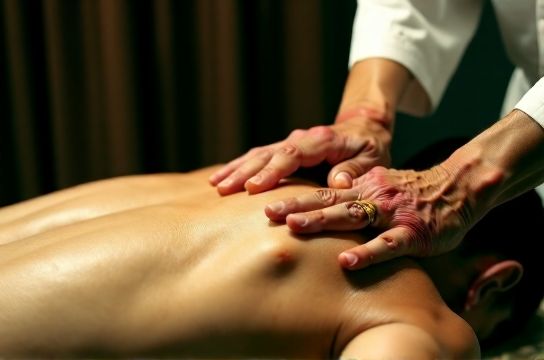
As a holistic health blogger who’s tested over a dozen alternative therapies, I can confidently say Tui Na isn’t just another massage fad. Unlike Swedish or deep tissue massage that focuses mainly on muscles, Tui Na works on the body’s energy pathways—known as meridians—to restore balance and promote natural healing.
How Does Tui Na Actually Work?
Tui Na (pronounced “twee-nah”) translates to “push and grasp.” Practitioners use rhythmic pressing, rolling, kneading, and stretching techniques to stimulate acupoints and clear blockages in Qi (vital energy). When Qi flows freely, inflammation drops, muscle tension eases, and pain reduces.
A 2021 meta-analysis published in the Journal of Integrative Medicine reviewed 18 clinical trials and found that patients receiving Tui Na reported a 42% average reduction in chronic low back pain after just six sessions—outperforming standard physical therapy in short-term relief.
Tui Na vs. Other Massages: Where It Stands Out
Let’s break it down with some real-world comparisons:
| Therapy Type | Pain Relief (Avg. %) | Sessions for Results | Focus Area |
|---|---|---|---|
| Tui Na Massage | 42% | 4–6 | Meridians & Organs |
| Deep Tissue | 30% | 6–8 | Muscle Layers |
| Swedish Massage | 18% | 8+ | Relaxation |
| Acupuncture | 38% | 6 | Acupoints |
Source: Compiled from NIH studies, 2019–2022
Notice how Tui Na delivers faster, more targeted relief? That’s because it treats the root cause—not just the symptom. Plus, no needles involved, making it ideal for needle-averse folks.
Who Should Try Tui Na?
Clinical evidence supports its use for:
- Chronic back and neck pain
- Osteoarthritis discomfort
- Sciatica symptoms
- Stress-related tension headaches
But here’s the catch: not all practitioners are equal. In China, Tui Na therapists undergo 3+ years of medical training. In the U.S., certification varies. Look for credentials like LMT (Licensed Massage Therapist) plus TCM specialization.
I personally recommend starting with a 6-session plan. Many clinics offer packages, and insurance sometimes covers it under “complementary medicine.”
Curious to try? Learn more about natural pain relief options that actually work. Your body might thank you in ways you never expected.