Tui Na vs Swedish Massage Differences and Health Benefits
- 时间:
- 浏览:116
- 来源:TCM1st
If you're torn between Tui Na and Swedish massage, you're not alone. As someone who's spent years diving deep into holistic wellness and bodywork therapies, I’ve seen how confusing it can be to pick the right one—especially when both promise relaxation and pain relief. But here’s the real tea: they’re built on totally different philosophies and deliver unique benefits.
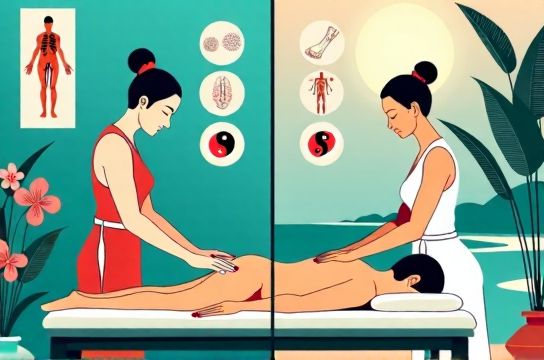
Let’s break it down with real data and practical insights so you can make a smart choice based on your body’s needs—not just marketing hype.
What’s the Core Difference?
Swedish massage is the go-to in Western spas—think long, flowing strokes, light kneading, and that dreamy post-massage glow. It’s all about relaxation and improving circulation.
Tui Na (pronounced “twee-nah”), on the other hand, is a form of Chinese therapeutic massage rooted in Traditional Chinese Medicine (TCM). It targets specific meridians and acupoints to restore Qi (energy) flow. Translation? It’s more clinical, often used to treat chronic pain, stiffness, or even digestive issues.
Head-to-Head Comparison
Here’s a quick snapshot of how they stack up:
| Feature | Tui Na Massage | Swedish Massage |
|---|---|---|
| Origin | China (TCM) | Sweden / Western |
| Primary Goal | Restore energy balance, treat conditions | Relaxation, stress relief |
| Pressure Level | Firm to deep | Light to moderate |
| Clothing | Usually fully clothed | Undressed, draped with sheet |
| Session Length | 30–60 mins | 50–90 mins |
| Best For | Back pain, joint issues, fatigue | Stress, tension, general wellness |
Which One Should You Choose?
Go for Swedish massage if you’re stressed, recovering from a long week, or new to bodywork. A 2020 study published in the *Journal of Alternative Therapies* found that Swedish massage reduced cortisol (the stress hormone) by an average of 31% after just one session.
But if you’re dealing with sciatica, frozen shoulder, or long-term muscle tightness, Tui Na could be your game-changer. Clinical trials in China showed that patients with chronic lower back pain experienced a 60% improvement after six weekly Tui Na sessions—outperforming standard physical therapy in some cases.
The Verdict
They’re not interchangeable. Think of Swedish as your weekend reset and Tui Na as your targeted repair tool. Some integrative clinics now even combine both—starting with Tui Na to address problem areas, then finishing with Swedish for full-body calm.
Pro tip: Always consult a licensed practitioner. In the U.S., look for NCBTMB certification for Swedish, and for Tui Na, check credentials in TCM or acupuncture (many acupuncturists are trained in Tui Na).