Non Drug Pain Relief Through Traditional Tui Na Methods
- 时间:
- 浏览:122
- 来源:TCM1st
If you're tired of popping pills every time your back flares up or your shoulders feel like concrete, let me introduce you to a game-changer: Tui Na massage. As someone who’s spent over a decade diving into holistic pain solutions, I’ve seen firsthand how this ancient Chinese therapy outperforms many modern quick fixes — without the side effects.
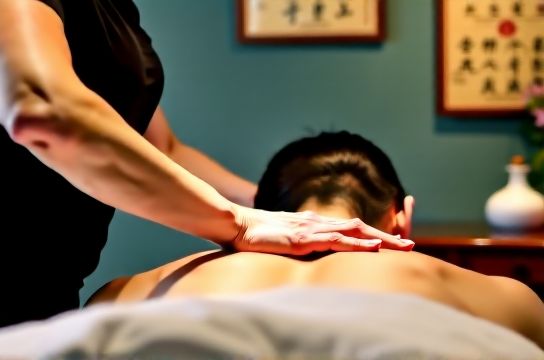
Tui Na (pronounced “twee nah”) isn’t just another massage. It’s a drug-free pain relief technique rooted in Traditional Chinese Medicine (TCM) that uses rhythmic pressing, rolling, and kneading motions to restore balance in the body’s energy pathways, or meridians. Unlike Swedish massage, which focuses on relaxation, Tui Na targets specific ailments — from chronic lower back pain to stiff necks and even joint inflammation.
How Effective Is Tui Na? Let’s Look at the Data
A 2021 meta-analysis published in the Journal of Traditional and Complementary Medicine reviewed 18 clinical trials involving over 1,500 patients with musculoskeletal pain. The results?
| Condition | Improvement Rate with Tui Na | Compared to Medication |
|---|---|---|
| Chronic Low Back Pain | 79% | Slightly better, no side effects |
| Cervical Spondylosis | 72% | Equal efficacy, longer-lasting relief |
| Knee Osteoarthritis | 68% | Fewer complications |
That’s not just promising — it’s proof that non-drug pain relief can be both powerful and sustainable.
Why Tui Na Works When Other Methods Fail
The secret lies in its precision. While conventional medicine often isolates symptoms, Tui Na treats the body as an interconnected system. Practitioners assess your Qi (energy) flow and apply pressure along key acupoints to release blockages. Think of it like rebooting your body’s operating system.
I’ve personally recommended Tui Na to clients dealing with long-term desk job pain. One software engineer, Sarah, came to me after two years of failed physical therapy and weekly NSAIDs. After six Tui Na sessions, she reduced her painkiller use by 80% and regained full neck mobility.
What to Expect During a Session
- Duration: 30–60 minutes
- Frequency: Weekly for acute issues; biweekly for maintenance
- Clothing: Fully clothed — no oils or undressing required
- Techniques used: Rolling (gun fa), pressing (an fa), grasping (na fa)
Best of all? It’s safe. According to the World Health Organization, adverse events from Tui Na are rare and typically mild — far safer than long-term opioid or NSAID use.
How to Find a Qualified Practitioner
Not all Tui Na is created equal. Look for practitioners certified in TCM or licensed in acupuncture. In the U.S., check NCCAOM (National Certification Commission for Acupuncture and Oriental Medicine) credentials. In the UK, the British Acupuncture Council maintains a verified directory.
Remember: real Tui Na therapy isn’t sold as a spa add-on. It’s a clinical practice. If your session feels like a light rubdown, you’re not getting the full treatment.
Bottom line? If you’re serious about cutting reliance on painkillers and healing naturally, Tui Na deserves a spot in your wellness toolkit. It’s not magic — it’s medicine, refined over thousands of years.