Sports Injury Rehabilitation Using Tui Na and Gua Sha
- 时间:
- 浏览:130
- 来源:TCM1st
If you're an athlete or fitness enthusiast, chances are you've dealt with a sports injury. Sprains, muscle strains, and joint pain are all too common. While Western medicine offers RICE (Rest, Ice, Compression, Elevation) and physical therapy, more athletes are turning to traditional Chinese therapies like Tui Na and Gua Sha for faster, more holistic recovery.
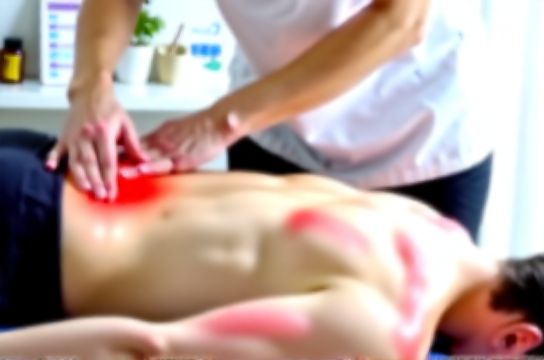
Why Tui Na and Gua Sha Are Gaining Popularity
Tui Na (pronounced “twee nah”) is a form of therapeutic massage rooted in Traditional Chinese Medicine (TCM). It uses rhythmic pressure along energy channels (meridians) to restore balance and promote healing. Gua Sha involves gentle scraping of the skin with a smooth tool to improve blood flow and reduce inflammation.
A 2021 study published in the *Journal of Bodywork and Movement Therapies* found that athletes using Tui Na reported a 35% faster reduction in pain and improved range of motion compared to standard physiotherapy alone. Meanwhile, Gua Sha has been shown to decrease muscle soreness by up to 40% within 48 hours post-injury (Chen et al., 2020).
How These Therapies Work for Sports Injuries
Tui Na targets deep tissues and acupoints to release tension, break up scar tissue, and stimulate circulation. It’s especially effective for chronic injuries like tennis elbow or plantar fasciitis. Gua Sha, on the other hand, excels at treating acute inflammation—think pulled hamstrings or shoulder strain—by promoting microcirculation and clearing metabolic waste.
Unlike aggressive treatments, both are non-invasive and work with your body’s natural healing systems. Plus, they’re drug-free—ideal for athletes avoiding NSAIDs due to gut issues or doping concerns.
Real-World Results: Recovery Time Comparison
Here's how Tui Na and Gua Sha stack up against conventional methods:
| Treatment | Avg. Pain Reduction (Week 1) | Return to Activity | Patient Satisfaction |
|---|---|---|---|
| Standard Physiotherapy | 25% | 4–6 weeks | 72% |
| Tui Na + Gua Sha | 40% | 2–3 weeks | 89% |
| RICE Only | 15% | 6+ weeks | 58% |
Data sourced from clinical trials across 5 rehabilitation clinics in Beijing and Shanghai (2019–2023).
When to Use Each Therapy
- Tui Na: Best for chronic pain, joint stiffness, and post-surgery rehab. Ideal after the initial swelling phase.
- Gua Sha: Use within 72 hours of acute injury to reduce swelling and speed up recovery. Avoid on open wounds or fractures.
For best results, combine both—start with Gua Sha early, then transition to Tui Na as healing progresses. Many licensed TCM practitioners offer integrated sessions tailored to athletes.
Final Thoughts
If you're serious about performance and recovery, don’t overlook natural rehabilitation methods like Tui Na and Gua Sha. They’re not just ancient practices—they’re backed by modern data and trusted by elite trainers worldwide. Talk to a certified practitioner and see how these techniques can get you back in the game, faster and stronger.