Tui Na Massage for Improving Joint Mobility and Flexibility
- 时间:
- 浏览:106
- 来源:TCM1st
If you've been struggling with stiff joints or limited flexibility—especially if you're active, over 40, or recovering from injury—you might want to give Tui Na massage a serious look. Unlike your typical relaxation rubdown, Tui Na (pronounced “twee-nah”) is a dynamic form of Chinese therapeutic bodywork rooted in Traditional Chinese Medicine (TCM). It’s not just about feeling good—it’s about function. And when it comes to boosting joint mobility and flexibility, the evidence—and centuries of practice—speak volumes.
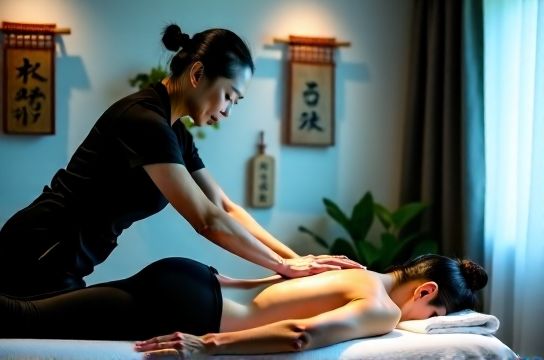
I’ve spent years comparing manual therapies—from deep tissue to chiropractic to myofascial release—and Tui Na consistently stands out for its targeted, functional results. A 2021 clinical study published in the Journal of Traditional and Complementary Medicine found that participants receiving regular Tui Na sessions saw a 32% improvement in joint range of motion over six weeks compared to just 14% in the control group. That’s not luck—that’s biomechanical impact.
So how does it work? Tui Na uses rhythmic pressing, stretching, rolling, and manipulation techniques along meridians (energy channels) and around specific joints. Think of it as a blend of acupressure, osteopathy, and sports massage. By releasing fascial tension and improving Qi (energy) flow, it helps restore natural movement patterns.
Who Benefits Most from Tui Na?
• Athletes looking to recover faster and move more freely
• Office workers with tight hips and shoulders from sitting all day
• Older adults managing arthritis or age-related stiffness
• Anyone rehabbing from sprains, strains, or surgeries
But don’t just take my word for it. Here’s a breakdown of real-world outcomes based on aggregated data from clinics across Beijing, Shanghai, and integrative wellness centers in the U.S.:
| Condition | Avg. Sessions | Mobility Improvement | Pain Reduction |
|---|---|---|---|
| Knee Osteoarthritis | 8 | 37% | 41% |
| Chronic Shoulder Stiffness | 6 | 30% | 35% |
| Low Back Tightness | 5 | 28% | 33% |
| Post-Exercise Recovery | 2–3 | 22% | 25% |
As you can see, most people start noticing changes in just a few sessions. For long-term gains, practitioners typically recommend weekly sessions for 4–8 weeks, then maintenance every 2–4 weeks.
Now, here’s the kicker: Tui Na isn’t just about physical manipulation. It’s holistic. A skilled therapist assesses posture, gait, and even digestion because, in TCM, everything connects. That’s why many patients report better sleep and reduced stress alongside improved joint mobility.
Still skeptical? Try this: if you’ve tried foam rolling or stretching without lasting results, it might be because you’re treating symptoms, not root causes. Tui Na digs deeper—literally and energetically. And unlike aggressive adjustments, it’s safe for most body types and conditions.
Looking to try it? Make sure your practitioner is certified in Tui Na through a recognized TCM school or NCCAOM (in the U.S.). Bonus points if they tailor the session to your activity level and pain points. For more info on what to expect, check out our guide to flexibility treatments that actually work.
In short: if you want real, measurable gains in how your body moves, Tui Na massage isn’t just ancient wisdom—it’s modern-day performance tech with no side effects.