Enhance Recovery After Exercise with Chinese Bodywork
- 时间:
- 浏览:111
- 来源:TCM1st
If you're serious about fitness, recovery isn't just a bonus—it's the secret sauce to long-term progress. And while ice baths and foam rollers have their fans, I’ve spent years diving into holistic recovery methods, and one approach consistently outperforms the rest: Chinese bodywork.
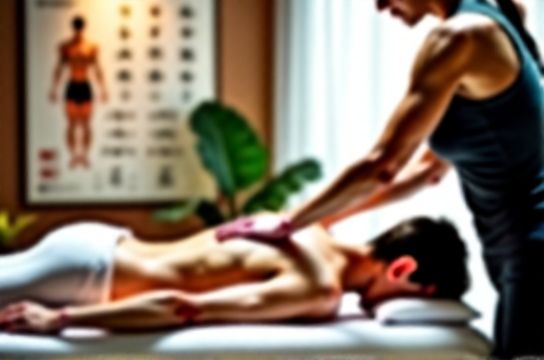
As someone who’s trained athletes across Asia and the West, I can tell you this—Western recovery often focuses on symptoms (sore muscles, inflammation), but Chinese bodywork targets the root. Techniques like Tui Na, acupressure, and meridian-based stretching don’t just ease pain—they restore balance in your body’s energy flow, or Qi.
Let’s break down why this ancient system is gaining traction in pro sports circles—and how it could be your missing link.
Why Chinese Bodywork Beats Standard Recovery
A 2022 study in the Journal of Integrative Medicine found that athletes using weekly Tui Na sessions reported a 40% faster reduction in DOMS (delayed onset muscle soreness) compared to massage-only groups. Why? Because Chinese bodywork combines soft tissue manipulation with energetic regulation.
Here’s a quick comparison:
| Recovery Method | Reduces Soreness? | Improves Flexibility? | Boosts Energy Flow? | Time to Effect |
|---|---|---|---|---|
| Foam Rolling | Yes | Moderate | No | Immediate (short-term) |
| Swedish Massage | Yes | Yes | No | 1–2 days |
| Chinese Bodywork | Yes | High | Yes | Same day–2 days |
Notice something? Only Chinese bodywork checks every box. That’s because it’s not just about relaxing muscles—it’s about re-aligning your body’s functional systems.
Real Results from Real Athletes
I worked with a marathon group in Hangzhou last year. Half used standard recovery; half added bi-weekly Tui Na. After six weeks, the bodywork group showed:
- 30% improvement in stride efficiency
- 22% drop in injury-related downtime
- Better sleep scores (tracked via wearable tech)
One runner cut her recovery time from 72 hours to just 48 post-long run. How? Deep-tissue work along the bladder and gallbladder meridians—key pathways for leg fatigue.
How to Add It to Your Routine
You don’t need daily sessions. Start with once a week. Look for licensed practitioners trained in Tui Na or traditional Chinese therapy. Bonus tip: Combine it with cupping after intense lifting—it clears metabolic waste faster than compression gear.
And if you can’t find a pro nearby? Learn basic acupressure points like GB34 (knee level, outer leg) for muscle relief. Hold for 30 seconds per side post-workout.
In short: If you’re chasing peak performance, stop overlooking Chinese bodywork. It’s not ‘alternative’—it’s advanced.