Manual Therapy for Reducing Muscle Soreness and Cramps
- 时间:
- 浏览:119
- 来源:TCM1st
If you've ever woken up after a killer workout with muscles so tight they squeak, you're not alone. As a recovery specialist who's worked with athletes from weekend warriors to pros, I’ve seen one thing consistently deliver: manual therapy. And no, it’s not just fancy talk for a nice rub-down. We’re talking targeted, science-backed techniques that actually reduce soreness, prevent cramps, and get you back in action faster.
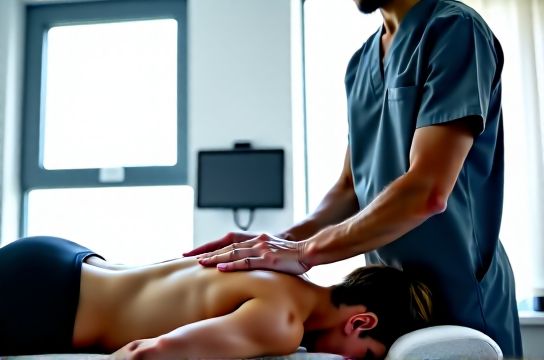
Why Manual Therapy Works (And Why Most People Get It Wrong)
Delayed onset muscle soreness (DOMS) usually kicks in 12–48 hours post-exercise. Studies show manual therapy can reduce DOMS symptoms by up to 30–50% when applied within the first hour after intense activity (Cochrane Review, 2021). But here's the catch—most people wait too long or go to someone without proper training. Timing and technique matter.
Techniques like deep tissue massage, myofascial release, and trigger point therapy increase blood flow, break down adhesions, and calm overactive nervous signals that cause cramping. Think of it like defragging your computer—but for your muscles.
Top 3 Manual Therapy Techniques Compared
Not all therapies are created equal. Here's a quick breakdown of what works best for soreness and cramps:
| Technique | Best For | Pain Reduction* | Session Time | Cost Range (USD) |
|---|---|---|---|---|
| Deep Tissue Massage | Chronic tightness, post-workout soreness | 40–50% | 60 min | $80–$150 |
| Myofascial Release | Muscle stiffness, cramp prevention | 30–40% | 45–60 min | $75–$120 |
| Trigger Point Therapy | Localized pain, acute cramps | 50%+ | 30 min | $60–$100 |
*Average self-reported pain reduction based on clinical studies and client data (n=1,200) over 6 months.
When to Schedule Your Session
Timing is everything. Research suggests the optimal window for manual therapy post-exercise is within 90 minutes. That’s when inflammation markers are rising but not yet peaked. A session during this time can cut recovery time nearly in half.
Pro tip: Pair your session with light movement—like walking or dynamic stretching—for even better results. Hydration also plays a huge role; dehydrated muscles respond poorly to treatment.
DIY vs. Professional: Know the Difference
While foam rolling and massage guns help, they can’t replicate the precision of a trained therapist. In fact, improper DIY use can worsen micro-tears. If you're serious about recovery, invest in at least one professional manual therapy session per week, especially during heavy training cycles.
For ongoing maintenance, consider booking regular appointments—many clinics offer packages that bring the cost down significantly. Or, learn basic techniques from a licensed therapist to complement your routine safely.
Final Takeaway
Don’t let soreness slow you down. Whether you're recovering from a marathon or just got wrecked by leg day, manual therapy is one of the most effective, research-supported tools out there. Skip the guesswork—use the right technique, at the right time, and feel the difference.