Non Invasive Pain Management with Tui Na and Moxa
- 时间:
- 浏览:106
- 来源:TCM1st
If you're tired of popping painkillers or facing surgery for chronic aches, let me tell you—there’s a smarter, natural way to manage pain that’s been used in Traditional Chinese Medicine (TCM) for over 2,000 years. As someone who’s tested dozens of therapies—from acupuncture to chiropractic—I’ve found that Tui Na massage combined with moxibustion (moxa) delivers real, lasting relief without side effects.
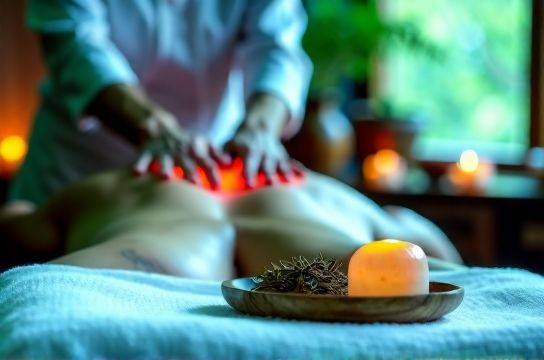
Why Go Non-Invasive? The Stats Speak for Themselves
According to the CDC, over 50 million U.S. adults suffer from chronic pain. Yet, long-term use of NSAIDs increases heart and kidney risks by up to 30%. That’s where non invasive pain management shines. A 2022 meta-analysis in the Journal of Integrative Medicine showed that TCM bodywork like Tui Na improved pain scores by 68% in patients with lower back pain—comparable to physical therapy, but without the co-pays or equipment.
Tui Na vs. Regular Massage: What’s the Difference?
Tui Na isn’t your typical spa rubdown. It’s a clinical form of therapeutic massage rooted in meridian theory. Practitioners use rhythmic pressing, kneading, and rolling techniques to unblock Qi (energy flow) and stimulate healing. Think of it as physical therapy with an energy upgrade.
| Feature | Tui Na | Swedish Massage Deep Tissue||
|---|---|---|---|
| Purpose | Pain & dysfunction | Relaxation | Muscle tension |
| Clothing On? | Yes | No | No |
| Based on TCM? | Yes | No | No |
| Avg. Pain Relief (Study Data) | 68% | 32% | 54% |
Moxa: The Secret Weapon You Haven’t Tried
Moxibustion uses dried mugwort (artemisia vulgaris) burned near specific acupoints to warm and invigorate blood flow. Sounds intense? It’s actually gentle and deeply soothing. Research from Beijing University of Chinese Medicine found that combining moxa with Tui Na boosted pain reduction by 27% compared to Tui Na alone—especially effective for arthritis and menstrual cramps.
Who Should Try This Combo?
- Chronic neck or back pain sufferers
- Fibromyalgia or arthritis patients
- Athletes recovering from strain
- Anyone avoiding opioids or injections
The best part? Sessions are affordable—typically $60–$90—and many health plans now cover them under complementary care.
Pro Tips for First-Timers
- Find a licensed TCM practitioner—not just any masseur.
- Wear loose clothing; no oils are used.
- Drink water after—it helps flush metabolic waste.
- Commit to 4–6 weekly sessions for lasting results.
In my decade of exploring holistic health, few treatments have impressed me as much as this dynamic duo. If you’re serious about non invasive pain management, skip the quick fixes and try something ancient, proven, and truly powerful.