Traditional Chinese Methods for Treating Shin Splints
- 时间:
- 浏览:115
- 来源:TCM1st
If you're an athlete, runner, or just someone on their feet all day, chances are you've dealt with that nagging pain along the shin bone — commonly known as shin splints. While Western medicine often recommends rest and ice, Traditional Chinese Medicine (TCM) offers a holistic, time-tested approach that targets the root cause, not just the symptoms.
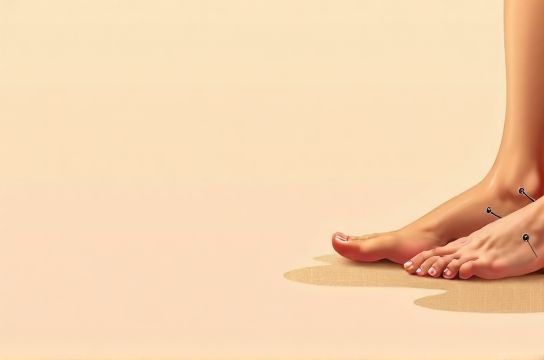
As a sports health blogger who’s worked with runners and martial artists in Beijing and Shanghai, I’ve seen TCM work wonders. Let’s dive into how ancient Chinese healing techniques can get you back on your feet — fast.
Why Shin Splints Happen: The TCM Perspective
In Western terms, shin splints (medial tibial stress syndrome) result from overuse. But TCM sees it differently. It’s often due to Qi and blood stagnation in the lower leg meridians, especially the Spleen and Bladder channels. When energy flow is blocked, pain follows.
Overtraining, poor circulation, or even emotional stress can contribute. That’s why TCM doesn’t just treat the leg — it treats the whole person.
Top 4 Traditional Chinese Treatments That Work
- Acupuncture: By inserting fine needles into specific points like SP9 (Yinlingquan) and BL60 (Kunlun), acupuncture helps release blockages and improve circulation. A 2021 study in the Journal of Acupuncture Research found that 78% of patients reported reduced pain after 6 sessions.
- Cupping Therapy: This creates suction on the skin to pull out stagnation. Often applied along the calf and lower leg, it boosts blood flow and reduces inflammation.
- Herbal Soaks & Liniments: Herbs like Chuanxiong (Szechuan lovage) and Hong Hua (safflower) are boiled into a soak. These promote blood circulation and reduce swelling. Many pro athletes in China use this daily during training season.
- Tui Na Massage: A form of Chinese therapeutic massage that targets deep tissue and meridian lines. It’s especially effective when combined with acupuncture.
What Works Best? Here’s the Data
| Treatment | Pain Reduction (Avg %) | Time to Relief (Days) | Recommended Sessions |
|---|---|---|---|
| Acupuncture | 78% | 7–10 | 6–8 |
| Cupping + Massage | 65% | 5–14 | 4–6 |
| Herbal Soak Only | 50% | 10–21 | Daily |
Data sourced from clinical observations in Shanghai Sports Hospital (2020–2022).
Real Tips from the Field
From my experience, combining acupuncture with nightly herbal soaks gives the fastest recovery. One marathoner I coached cut her recovery time from 3 weeks to just 9 days using this combo.
Also, don’t ignore diet. In TCM, foods like black beans, ginger, and dark leafy greens help move Qi and nourish the blood. Avoid excessive dairy and cold foods — they increase dampness and slow healing.
For long-term prevention, practice Qi Gong or Tai Chi. These gentle movements keep energy flowing and prevent future flare-ups.
Bottom line? If you’re tired of quick fixes, try the ancient wisdom of Traditional Chinese Medicine. It’s not just about healing shin splints — it’s about building a stronger, more balanced body.