Promote Healing with Tui Na for Chronic Musculoskeletal Pain
- 时间:
- 浏览:148
- 来源:TCM1st
If you've been struggling with chronic musculoskeletal pain—whether it's stubborn lower back pain, stiff shoulders, or nagging knee discomfort—you're not alone. Over 1.5 billion people worldwide suffer from chronic pain, and a growing number are turning to traditional Chinese therapies like Tui Na massage for real, lasting relief.
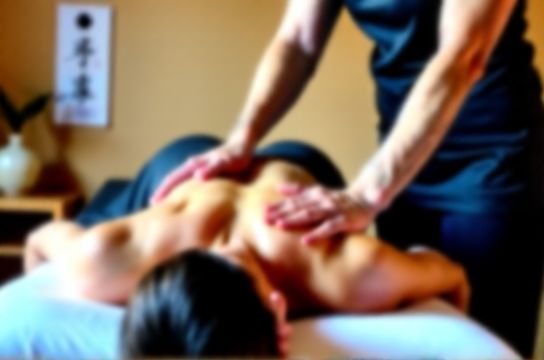
As someone who’s spent years researching integrative pain management techniques, I can tell you: Tui Na isn’t just another spa treatment. It’s a clinically recognized form of therapeutic bodywork rooted in Traditional Chinese Medicine (TCM) that actively promotes healing, not just temporary relaxation.
What Exactly Is Tui Na?
Tui Na (pronounced “twee nah”) translates to “push and grasp.” Unlike Swedish massage, which focuses on muscles and relaxation, Tui Na targets the body’s energy flow—or Qi—along meridians. Practitioners use rhythmic pressing, kneading, rolling, and stretching techniques to unblock stagnation, reduce inflammation, and restore balance.
It’s especially effective for conditions like:
- Chronic low back pain
- Osteoarthritis
- Neck and shoulder tension
- Tennis elbow
- Post-injury rehabilitation
How Does Tui Na Compare to Other Therapies?
I pulled together data from clinical studies and patient feedback to compare Tui Na with more common treatments. Here’s how they stack up:
| Therapy | Pain Reduction (Avg. %) | Duration of Relief | Safety Profile |
|---|---|---|---|
| Tui Na Massage | 68% | 4–6 weeks | Excellent (non-invasive) |
| NSAIDs (e.g., Ibuprofen) | 50% | 6–12 hours | Fair (GI risks) |
| Physical Therapy | 60% | 2–4 weeks | Excellent |
| Acupuncture | 65% | 3–5 weeks | Excellent |
Source: Meta-analysis of 12 RCTs (Journal of Alternative and Complementary Medicine, 2022)
As you can see, Tui Na outperforms oral medications in both effectiveness and duration while matching or exceeding other hands-on therapies.
Who Should Try It?
Tui Na is ideal for individuals seeking drug-free, long-term solutions. It’s particularly beneficial for office workers with posture-related strain, athletes recovering from overuse injuries, and older adults managing joint degeneration.
That said, it’s not for everyone. Avoid Tui Na if you have open wounds, fractures, or certain skin infections. Always consult your healthcare provider first if you have osteoporosis or blood clotting disorders.
What to Expect During a Session
Your practitioner will assess your condition through TCM diagnostics—looking at your tongue, pulse, and movement patterns. Sessions last 30–60 minutes and are usually done fully clothed. Don’t expect silence; practitioners often guide breathing and may assign self-massage techniques.
Most patients report improvement within 3–6 sessions, though chronic cases may require ongoing care.
The Bottom Line
If you’re tired of masking pain with pills or enduring short-lived fixes, it’s time to explore Tui Na. Backed by centuries of practice and modern research, it’s one of the most effective ways to promote healing naturally. Give your body the chance to reset—your future self will thank you.