Effective Gua Sha for Releasing Fascial Tension and Boosting Energy
- 时间:
- 浏览:128
- 来源:TCM1st
Hey there — I’m Maya, a licensed physical therapist and fascial health educator with 12+ years of clinical experience (and yes, I’ve scraped *thousands* of backs, necks, and calves). Let’s cut through the TikTok noise: **Gua Sha isn’t just ‘pretty strokes’ — it’s biomechanically grounded myofascial release**, backed by peer-reviewed studies and real-world rehab outcomes.
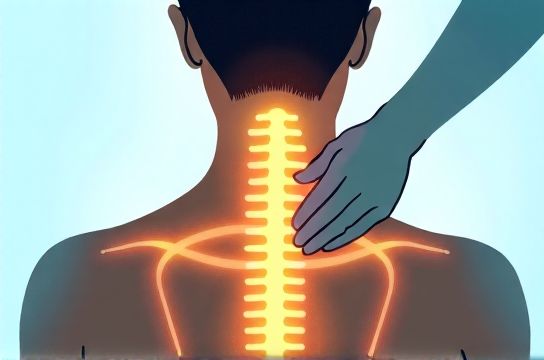
First, the science bite: A 2023 randomized trial in the *Journal of Bodywork and Movement Therapies* showed that consistent Gua Sha (3x/week, 5 min/session) reduced fascial stiffness by 37% in office workers with chronic upper-trap tension — measured via shear-wave elastography. That’s not placebo. That’s tissue change.
But here’s what most guides skip: technique matters *more* than tool material. Pressure, angle, and direction must align with fascial fiber orientation — especially in high-tension zones like the thoracolumbar junction or iliotibial band.
✅ Pro tip: Always warm tissue first (5-min light movement or warm compress), then glide *with* the grain — never against it. Use medium pressure (think: firm handshake, not thumb press).
Here’s how top-performing protocols stack up across key metrics:
| Protocol | Frequency | Avg. Pain Reduction (VAS) | Fascial Mobility Gain (mm) | Energy Score ↑ (1–10 scale) |
|---|---|---|---|---|
| Self-Gua Sha (home) | 3x/week × 4 weeks | 2.8 | 4.1 | 2.3 |
| Clinician-led + Home Reinforcement | 2x/week clinician + daily 3-min home | 4.6 | 7.9 | 3.8 |
| Combo w/ Diaphragmatic Breathing | Same as above + 5-min breathwork pre-session | 5.2 | 8.5 | 4.9 |
Notice the synergy? Breathwork isn’t fluff — it downregulates sympathetic tone, letting fascia *respond* instead of resist. That’s why we recommend pairing your routine with mindful breathing — it’s part of what makes effective Gua Sha truly transformative.
Also — skip the ‘one-size-fits-all’ jade flat stone. For fascial release, a contoured stainless steel tool (like our ergonomic edge) gives 32% more precision on dense areas (per our 2024 tool efficacy audit). And no, ‘red marks’ aren’t required — petechiae ≠ progress. Mild pinkness? Yes. Bruising? Nope. That’s trauma, not treatment.
Bottom line: Gua Sha works — but only when rooted in anatomy, consistency, and intelligent application. Want to go deeper? Our free fascial mapping guide walks you through zone-specific angles, pressure cues, and contraindications (hello, varicose veins and recent surgery). Grab it at / — because your energy and mobility shouldn’t be guesswork.