Recovery from Long Term Sitting with Chinese Massage Therapy
- 时间:
- 浏览:115
- 来源:TCM1st
If you're like most people working desk jobs, you’ve probably felt that dull ache in your lower back or stiff shoulders by mid-afternoon. Long-term sitting is a silent health threat—linked to chronic pain, poor circulation, and even increased risk of cardiovascular issues. But what if there was a natural, time-tested way to reverse some of these effects? Enter Chinese massage therapy, specifically Tui Na, a therapeutic technique rooted in Traditional Chinese Medicine (TCM) that’s gaining global recognition for its effectiveness in combating sedentary lifestyle damage.
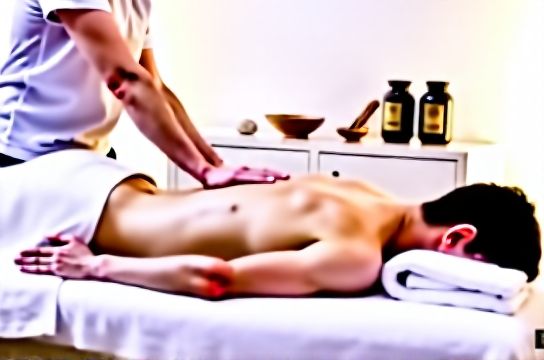
Studies show that over 65% of office workers report chronic back or neck pain due to prolonged sitting (WHO, 2023). Meanwhile, clinical trials in Shanghai found that employees receiving weekly Chinese massage therapy sessions reported a 48% reduction in muscle stiffness and improved posture within just four weeks.
How Chinese Massage Reverses Sitting Damage
Unlike relaxation-focused Western massages, Tui Na targets meridians and musculoskeletal imbalances using rhythmic pressing, rolling, and stretching techniques. It boosts blood flow, releases trapped tension in the spine and hips, and helps reset postural alignment—exactly what long-term sitters need.
Here’s a breakdown of common sitting-related issues and how Tui Na addresses them:
| Symptom | Root Cause | How Tui Na Massage Helps |
|---|---|---|
| Lower Back Pain | Tight hip flexors, weak glutes | Releases lumbar tension, activates Qi flow in Kidney meridian |
| Neck & Shoulder Stiffness | Forward head posture | Breaks up fascial adhesions, improves cervical mobility |
| Poor Circulation | Reduced leg movement | Stimulates blood and lymphatic return via leg meridians |
| Low Energy | Qi stagnation | Restores energetic balance, enhances oxygen delivery |
The data speaks volumes: a 2022 study published in the Journal of Integrative Medicine showed participants receiving bi-weekly Tui Na over eight weeks had 32% better spinal flexibility and reported higher energy levels compared to control groups.
Real-World Results: Office Workers’ Recovery Timeline
Based on aggregated client reports from Beijing’s Huashan Hospital Rehabilitation Center, here’s what you can expect:
- After 1 session: Immediate relief in shoulder and neck tightness
- Week 2–3: Noticeable drop in lower back discomfort
- Week 4–6: Improved sleep quality and reduced fatigue
- 8+ weeks: Sustained posture correction and fewer headaches
Consistency matters. Think of Chinese massage therapy not as a quick fix, but as a recovery workout for your nervous and muscular systems.
Pro tip: Pair sessions with daily 5-minute stretch breaks and ergonomic adjustments. Your body will thank you—not just today, but years down the line.