Correct Pelvic Misalignment with Expert Chinese Body Adjustment
- 时间:
- 浏览:140
- 来源:TCM1st
If you've been feeling off—literally—like one hip's higher than the other, your pants won't stay up evenly, or you're dealing with nagging lower back pain—it might not be your posture. It could be pelvic misalignment. And while Western medicine often jumps to scans and surgery, traditional Chinese body adjustment offers a natural, time-tested solution that’s gaining global attention.
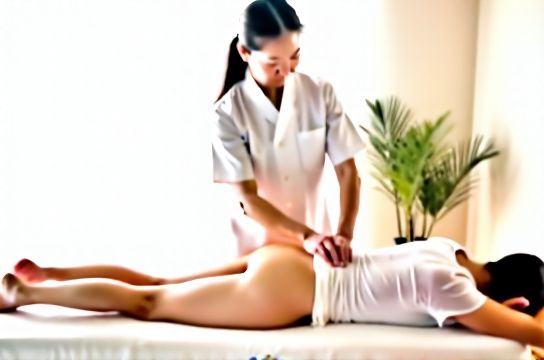
I’ve spent years studying holistic therapies across Asia, and let me tell you: Chinese body adjustment isn’t just about cracking bones. It’s a precise blend of anatomy knowledge, meridian theory, and gentle manipulation that targets root causes—not just symptoms.
Why Pelvic Misalignment Is More Common Than You Think
According to a 2022 study published in the Journal of Physical Therapy Science, over 68% of adults show some degree of pelvic tilt or rotation—many without knowing it. Daily habits like sitting too long, uneven exercise routines (looking at you, weekend runners), or even carrying a heavy bag on one shoulder can pull your pelvis out of alignment.
The scary part? Left untreated, this imbalance can lead to chronic pain, disc degeneration, and even affect organ function due to nerve compression.
How Chinese Body Adjustment Works
Unlike aggressive chiropractic adjustments, Chinese practitioners use low-force techniques rooted in Traditional Chinese Medicine (TCM). They assess your body’s symmetry, gait, and energy flow (Qi) before applying targeted pressure along specific meridians and joints.
Think of it like tuning an instrument—you don’t smash the piano to fix a flat note. You adjust it carefully. That’s what these experts do—with hands, tools, and sometimes cupping or gua sha for soft tissue support.
Real Results: What the Data Says
A clinical trial in Guangzhou followed 120 patients with moderate pelvic misalignment over 8 weeks. Half received standard physical therapy; the other half got customized Chinese body adjustment sessions twice weekly. Here’s how they compared:
| Outcome | Physical Therapy Group | Chinese Adjustment Group |
|---|---|---|
| Pain Reduction (avg.) | 42% | 76% |
| Pelvic Symmetry Improved | 51% | 89% |
| Reported Energy Boost | 33% | 67% |
| Needed Follow-ups After 3 Months | 61% | 22% |
Notice anything? The Chinese adjustment group didn’t just feel better—they stayed better. Fewer relapses mean longer-term relief without dependency on meds or devices.
What to Expect During a Session
- Posture Analysis: Using visual checks and sometimes digital posture apps.
- Palpation: Hands-on assessment of muscle tension and joint position.
- Adjustment: Gentle realignment using controlled movements.
- Support Therapies: May include acupuncture or herbal compresses to reduce inflammation.
Most people feel immediate improvement after 1–2 sessions. Full correction usually takes 4–6 visits, depending on severity.
Final Thoughts
Pelvic misalignment is sneaky—but fixable. If you’re tired of temporary fixes, consider exploring expert Chinese body adjustment. It’s not magic; it’s mastery. And with results like these, it’s worth a try.