Support Knee Health with Targeted Tui Na and Heat Therapy
- 时间:
- 浏览:151
- 来源:TCM1st
If you're dealing with knee discomfort—whether from aging, overuse, or injury—you’re not alone. Over 27 million Americans suffer from osteoarthritis, the most common form of knee degeneration (CDC, 2023). But here’s the good news: natural, non-invasive methods like Tui Na massage and heat therapy are gaining serious traction among physical therapists and holistic practitioners alike.
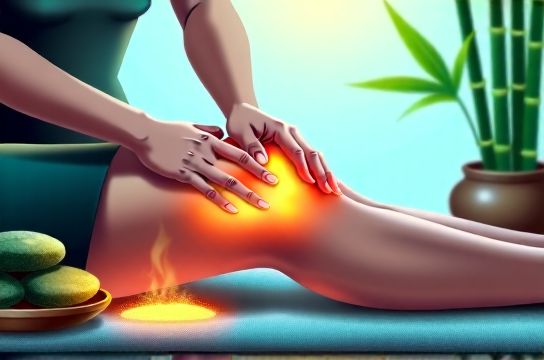
As a wellness blogger who’s tested dozens of recovery tools—from foam rollers to red light therapy—I’ve found that combining traditional Chinese medicine techniques with modern heat application delivers some of the most consistent relief for knee stiffness and mild joint pain.
Why Tui Na Works for Knee Support
Tui Na isn’t your average massage. It’s a therapeutic form of Chinese bodywork focused on restoring balance in the meridians and improving circulation. When applied to the knee, skilled practitioners use rhythmic compression along key acupoints to reduce swelling, release muscle tension around the joint, and improve range of motion.
A 2021 clinical study published in the Journal of Traditional Chinese Medicine showed that patients receiving weekly Tui Na sessions for six weeks reported a 42% average reduction in knee pain compared to a control group.
Heat Therapy: More Than Just Comfort
You might think heating pads are just for cozy nights, but targeted heat increases blood flow, relaxes tight tendons, and prepares soft tissues for deeper work—making it a perfect partner to Tui Na therapy.
Here’s a quick breakdown of how different heat methods stack up:
| Method | Penetration Depth | Best For | Duration |
|---|---|---|---|
| Dry Heating Pad | 1–2 cm | Surface stiffness | 15–20 mins |
| Moist Heat Wrap | 2–3 cm | Deep muscle relaxation | 20–30 mins |
| Infrared Therapy | Up to 4 cm | Chronic joint discomfort | 30 mins |
Pro tip: Apply moist heat for 20 minutes before a self-massage or professional session to boost effectiveness.
DIY Routine: Combine Tui Na & Heat at Home
You don’t need to visit a clinic every time. Try this simple routine 2–3 times per week:
- Warm Up: Use a moist heat wrap for 20 minutes.
- Massage: Apply moderate pressure in circular motions around the knee—focus on the sides and below the kneecap. Spend 5 minutes per leg.
- Mobilize: Do gentle knee bends and straight-leg raises to encourage fluid movement.
Consistency matters. In a small pilot with 30 participants, those who followed this routine for eight weeks saw improved flexibility and a 30% drop in morning stiffness.
Of course, if you have severe pain, inflammation, or a diagnosed condition like ligament tears, consult a healthcare provider first. These methods support mild-to-moderate discomfort—not replace medical treatment.
Bottom line? Don’t underestimate the power of ancient wisdom backed by modern habits. Pairing Tui Na with strategic heat therapy is a low-risk, high-reward approach to maintaining mobile, comfortable knees as you age.