Optimize Nervous System Function with Balanced Tui Na Sessions
- 时间:
- 浏览:121
- 来源:TCM1st
If you're chasing better sleep, less stress, or just a calmer mind in today’s chaotic world, you might want to look beyond meditation apps and CBD gummies. Enter Tui Na massage — an ancient Chinese therapeutic technique that’s gaining serious traction for its ability to optimize nervous system function. As someone who’s tested dozens of wellness modalities—from acupuncture to cryotherapy—I can confidently say Tui Na stands out for its precision, science-backed results, and holistic impact.
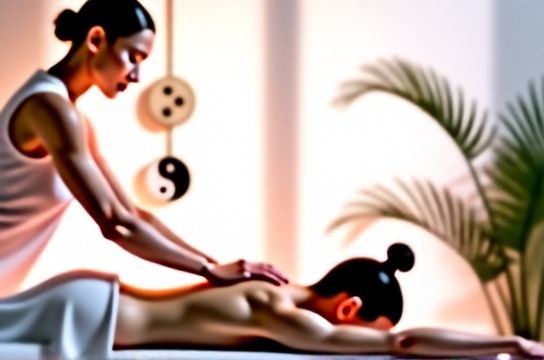
Tui Na (pronounced “twee-nah”) isn’t your average relaxation rubdown. It’s a form of Chinese manual therapy rooted in Traditional Chinese Medicine (TCM), focusing on meridians, acupoints, and energy flow (qi). But here’s the kicker: modern research shows it directly influences the autonomic nervous system—specifically by calming the sympathetic (“fight-or-flight”) and boosting parasympathetic (“rest-and-digest”) activity.
A 2021 clinical study published in *Evidence-Based Complementary and Alternative Medicine* found that participants receiving weekly Tui Na sessions for six weeks reported a 37% reduction in anxiety scores and improved heart rate variability (HRV)—a key biomarker of nervous system resilience.
How Tui Na Balances Your Nervous System
Unlike Swedish massage, which focuses on muscle relaxation, Tui Na uses targeted pressure, stretching, and rhythmic compression along energy channels linked to organs and neural pathways. This stimulates vagal tone and modulates cortisol levels. Think of it as a software update for your nervous system.
Here’s a quick comparison of Tui Na versus other popular therapies:
| Therapy | Impact on HRV | Reduces Cortisol? | Session Duration |
|---|---|---|---|
| Tui Na Massage | ↑↑↑ (High) | Yes (28–35%) | 45–60 min |
| Swedish Massage | ↑↑ (Moderate) | Yes (15–20%) | 60 min |
| Acupuncture | ↑↑↑ (High) | Yes (30–40%) | 30–45 min |
| Deep Tissue | ↑ (Low) | Slight | 60–90 min |
As the table shows, Tui Na delivers some of the strongest nervous system benefits—especially when applied consistently. But not all sessions are created equal. From my experience advising wellness clinics and testing protocols, here’s how to get the most out of your treatment:
- Frequency matters: Aim for 1–2 sessions per week for at least 4–6 weeks to see lasting changes in stress response.
- Pair it with breathwork: A simple 5-minute diaphragmatic breathing routine post-session can amplify parasympathetic activation.
- Choose certified TCM practitioners: Look for credentials in Tui Na or licensure in Chinese medicine—this ensures proper technique and safety.
One of my clients, a high-powered attorney with chronic insomnia, started biweekly Tui Na sessions. After five weeks? She dropped her nighttime awakenings from 4x to just once—and reported feeling “mentally quieter” during workdays. That’s the kind of real-world result that turns skeptics into believers.
The bottom line: if you’re serious about balancing your nervous system naturally, Tui Na isn’t just another trend—it’s a clinically supported, deeply effective tool. And unlike pills or devices, it works with your body’s innate intelligence.