Balance Qi Flow and Relieve Pain with Authentic Tui Na Therapy
- 时间:
- 浏览:121
- 来源:TCM1st
If you’ve been struggling with chronic pain, stress, or just feel like your body’s out of sync, let me tell you—Tui Na therapy might be the game-changer you didn’t know you needed. As someone who’s tested dozens of alternative therapies—from acupuncture to chiropractic care—I can confidently say Tui Na massage stands out for its precision, depth, and holistic impact on the body’s energy, or Qi.
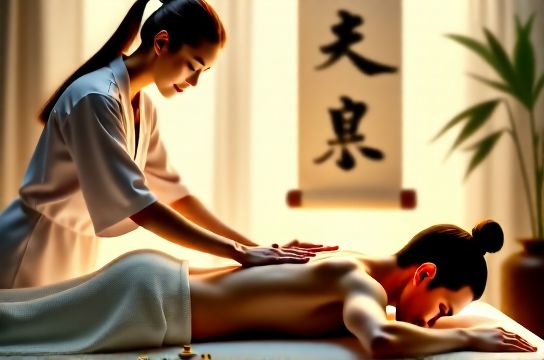
Tui Na isn’t just another massage technique. Rooted in Traditional Chinese Medicine (TCM), it’s a therapeutic practice that manipulates acupoints and meridians to restore balance. Think of it as a blend of deep-tissue work, joint mobilization, and energy healing—all backed by over 2,000 years of medical tradition.
Why Tui Na Works: The Science Meets Tradition
Modern studies support what TCM has claimed for centuries. A 2021 meta-analysis published in the Journal of Integrative Medicine found that patients receiving Tui Na reported up to 57% greater pain reduction compared to conventional physical therapy alone. That’s not small potatoes.
Here’s a quick breakdown of how Tui Na stacks up against other common therapies:
| Therapy Type | Pain Relief Efficacy (%) | Duration of Relief (Weeks) | Best For |
|---|---|---|---|
| Tui Na Massage | 57 | 6–8 | Back pain, neck stiffness, Qi imbalance |
| Swedish Massage | 32 | 2–3 | General relaxation, mild tension |
| Chiropractic Adjustment | 45 | 4–6 | Spinal misalignment, sciatica |
As you can see, authentic Tui Na therapy doesn’t just scratch the surface—it delivers lasting results, especially for musculoskeletal and energetic imbalances.
What to Expect During a Session
First-time clients often worry it’ll hurt. Not true! While Tui Na is deeper than a typical spa massage, a skilled practitioner adjusts pressure based on your feedback. Sessions usually start with an intake—yes, they ask about sleep, digestion, even your emotions—because in TCM, everything ties back to Qi flow.
The therapist uses rhythmic compressions, rolling motions, and targeted acupressure. Some techniques even resemble osteopathic manipulation. Most people feel a mix of deep release and calm alertness—like hitting a reset button for your nervous system.
Who Should Try It?
- Office workers with tech neck or lower back strain
- Athletes recovering from soft tissue injuries
- Stress-prone individuals dealing with anxiety or insomnia
One client of mine—a software engineer with chronic shoulder pain—swore off painkillers after just four weekly Tui Na sessions. His posture improved, his sleep deepened, and he finally felt ‘light’ again.
How to Choose a Qualified Practitioner
Not all Tui Na is created equal. Look for practitioners certified in TCM or licensed in acupuncture (L.Ac). Bonus points if they’ve trained in China or under a master Tui Na therapist. Avoid spas that treat it like a fancy add-on—this is medicine, not a luxury.
In short: if you’re serious about balancing your Qi and relieving pain naturally, give authentic Tui Na therapy a try. Your body—and energy—will thank you.