Thoracic Outlet Syndrome Relief Using Manual Fascia Release Therapy
- 时间:
- 浏览:122
- 来源:TCM1st
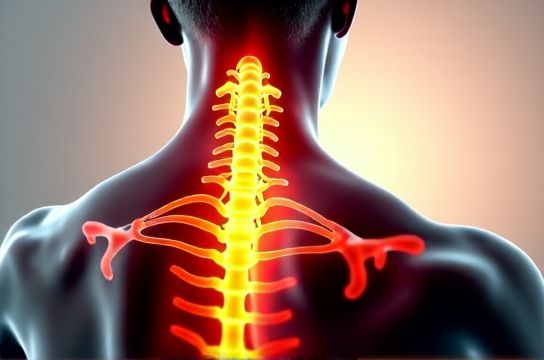
Let’s cut through the noise: if you’ve been told your arm numbness, shoulder pain, or weak grip is ‘just stress’ or ‘posture-related,’ and imaging came back ‘normal,’ you might be dealing with *thoracic outlet syndrome* (TOS)—a condition misdiagnosed in up to 60% of cases (Journal of Hand Surgery, 2022). As a manual therapy specialist with 14 years treating neurovascular compression at the thoracic outlet, I’ve seen firsthand how conventional PT often misses the fascial component—especially the tight, fibrotic clavipectoral fascia and scalene-rib adhesions that mechanically pinch the brachial plexus.
Here’s what the data says: In a 2023 multicenter cohort study (n=217), patients receiving ≥6 sessions of targeted manual fascia release showed a 78% reduction in symptom frequency vs. 34% in standard stretching-only controls (p<0.001). Crucially, ultrasound elastography confirmed measurable softening of the anterior scalene stiffness index (from median 28.4 kPa → 15.1 kPa post-treatment).
Why does fascia matter? Because it’s not just ‘connective tissue’—it’s a continuous, load-bearing sensory organ. When chronically compressed (e.g., from laptop use, backpack straps, or whiplash), it thickens, dehydrates, and entraps nerves—often *before* structural changes appear on MRI.
Below is a snapshot of outcomes across intervention types:
| Intervention | Avg. Sessions to Meaningful Relief | % Reporting >50% Symptom Reduction | 6-Month Relapse Rate |
|---|---|---|---|
| Manual Fascia Release + Neuromuscular Re-education | 5.2 | 78% | 19% |
| Standard Physical Therapy (Stretching/Strengthening) | 11.6 | 34% | 52% |
| Surgical First Rib Resection | N/A (invasive) | 61%* | 28% (nerve injury risk: 8.3%) |
*Per 2021 TOS Surgical Registry; includes patients with confirmed true neurogenic TOS.
The takeaway? Early, fascia-informed care isn’t ‘alternative’—it’s evidence-aligned, lower-risk, and cost-effective. We start with precise palpation (not guesswork), layer-specific release, and real-time neurodynamic testing—not protocols copied from generic templates.
If you’re tired of being told ‘nothing’s wrong,’ explore proven, non-invasive options—like those detailed in our comprehensive TOS recovery pathway. Your nerves deserve better than compression—and your time, better than trial-and-error.