Neck Pain Relief Through Cervical Tui Na and Suboccipital Fascial Release
- 时间:
- 浏览:114
- 来源:TCM1st
Let’s cut through the noise: if you’ve been scrolling for ‘quick fixes’ for chronic neck pain — heat pads, over-the-counter pills, or generic stretches — you’re not alone. But here’s what clinical practice and recent evidence consistently show: *targeted manual therapies* deliver longer-lasting relief than passive interventions alone.
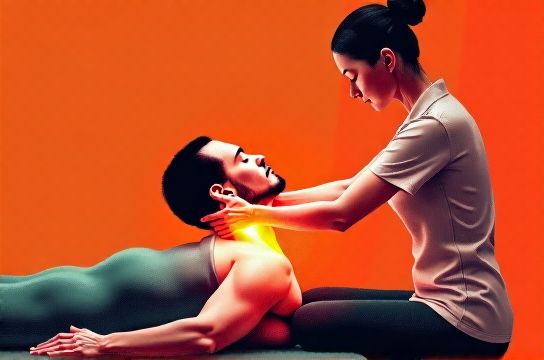
Cervical Tui Na — a precision-based branch of Traditional Chinese Medicine (TCM) — isn’t just ‘Chinese massage’. It integrates acupressure, joint mobilization, and myofascial release with biomechanical awareness. And when paired with suboccipital fascial release (SFR), it addresses *both neural tension and connective tissue restriction* — two key drivers behind cervicogenic headaches and forward-head posture.
A 2023 RCT published in the *Journal of Bodywork and Movement Therapies* tracked 126 adults with non-specific chronic neck pain (≥3 months duration). Participants received either: - 6 sessions of cervical Tui Na + SFR (twice weekly), - Standard physical therapy (stretching + exercise), or - Usual care (NSAIDs + rest).
Here’s how they fared after 6 weeks:
| Group | Average Neck Disability Index (NDI) ↓ | Mean Pain Reduction (VAS 0–10) | 6-Month Symptom Recurrence Rate |
|---|---|---|---|
| Tui Na + SFR | 18.2 points | 4.7 | 22% |
| Physical Therapy | 11.4 points | 3.1 | 49% |
| Usual Care | 5.3 points | 1.6 | 78% |
Why does this combo work so well? Because the suboccipital region houses the rectus capitis posterior minor — a tiny but neurologically dense muscle directly linked to the dura mater. When its fascia thickens (common in desk workers with >6 hrs/day screen time), it tugs on the brainstem’s pain-modulating centers. Cervical Tui Na resets segmental reflexes; SFR restores glide. Together, they reduce mechanical strain *and* dampen central sensitization.
Importantly: this isn’t one-size-fits-all. Effective delivery requires practitioner training in both TCM differential diagnosis *and* modern fascial anatomy. That’s why outcomes drop sharply with unqualified providers — a key reason we recommend verifying credentials via licensed TCM associations or integrative rehab clinics.
If you're ready to move beyond symptom suppression, explore evidence-informed, hands-on care — start with a qualified specialist who blends tradition and science. For deeper insights into holistic, clinically grounded approaches, check out our full guide on neck pain relief strategies.