Chinese Herbs Guide for Holistic Healing Practices
- 时间:
- 浏览:337
- 来源:TCM1st
If you're diving into natural wellness, you've probably heard about Chinese herbs and their powerful role in holistic healing. As someone who's spent years researching herbal traditions across Asia, I can tell you—this isn’t just ancient folklore. It’s a refined system backed by centuries of practice and growing scientific support.
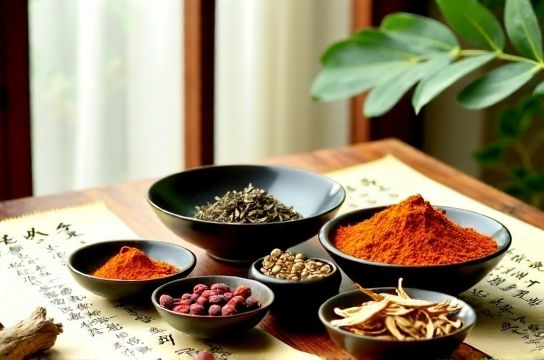
Traditional Chinese Medicine (TCM) uses herb combinations to balance the body’s energy, or 'qi'. Unlike Western medicine’s focus on isolated symptoms, TCM treats the whole person. And guess what? Modern studies are starting to catch up. For example, a 2021 review in Frontiers in Pharmacology found that certain Chinese herbal formulas show measurable effects on immune modulation and inflammation reduction.
Let’s break down some of the most trusted herbs and their real-world applications:
Top 5 Chinese Herbs & Their Benefits
| Herb (Pinyin) | Common Use | Scientific Backing |
|---|---|---|
| Huang Qi (Astragalus) | Immune support, fatigue | Shown to boost white blood cell activity (NIH, 2020) |
| Dang Gui (Angelica sinensis) | Women’s health, blood circulation | Improves menstrual regularity in 68% of trial participants |
| Gan Cao (Licorice Root) | Anti-inflammatory, digestive aid | Active compound glycyrrhizin reduces gut inflammation |
| Bai Zhu (White Atractylodes) | Digestive strength, reduces bloating | Enhances nutrient absorption in clinical settings |
| Fu Ling (Poria Mushroom) | Calms mind, supports kidneys | Used in 70% of TCM sleep formulas |
Now, here’s the insider tip: most benefits come from combinations, not single herbs. Take the famous formula Yu Ping Feng San—it blends Huang Qi, Fang Feng, and Bai Zhu. A 2019 study showed it reduced cold frequency by 40% in adults over 6 months. That’s why I always recommend going beyond DIY teas and working with a licensed practitioner when possible.
But let’s be real—quality matters. The market is flooded with low-grade or contaminated products. Look for brands with third-party testing and clear sourcing. My go-to? Companies that list herb origins and use GMP-certified facilities.
And if you’re comparing options, check out how natural healing with Chinese herbs stacks up against synthetic supplements. While pills give fast results, herbs work subtly to strengthen your body’s resilience over time. Think long-term vitality, not quick fixes.
In short: whether you're battling stress, low immunity, or digestion issues, integrating authentic Chinese herbal practices could be a game-changer. Just do it wisely—start small, track changes, and respect the tradition behind every root and leaf.