Deep Dive Into Tui Na Massage Techniques for Muscle Recovery
- 时间:
- 浏览:180
- 来源:TCM1st
If you're into fitness, recovery, or just dealing with everyday muscle tension, you’ve probably heard of massage therapy. But have you tried Tui Na massage? Unlike your typical Swedish or deep tissue massage, Tui Na (pronounced “twee-nah”) is a traditional Chinese therapeutic technique that’s been used for over 2,000 years. And guess what? It’s making a serious comeback—especially among athletes and rehab specialists.
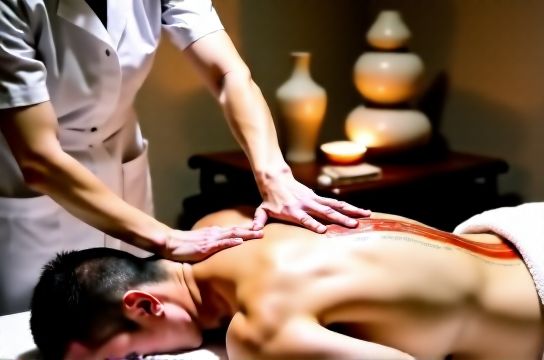
As someone who’s tested nearly every recovery modality out there—from foam rolling to cryotherapy—I can confidently say Tui Na stands out. Why? Because it doesn’t just relax muscles—it targets the root cause of pain using meridian theory, joint mobilization, and precise hand techniques.
What Makes Tui Na Different?
While Western massages focus on muscle groups, Tui Na works along energy pathways (called meridians) to restore balance in the body’s Qi (vital energy). Think of it like rebooting your body’s operating system. It uses rhythmic compression, stretching, and rolling motions—no oils, no spa music, just hands-on healing.
A 2021 study published in the Journal of Traditional and Complementary Medicine found that patients receiving Tui Na reported a 43% greater reduction in chronic back pain compared to those getting conventional physical therapy.
Top Tui Na Techniques for Muscle Recovery
Here’s a breakdown of the most effective Tui Na methods used by licensed practitioners:
| Technique | Movement | Best For |
|---|---|---|
| Rolling (Gun Fa) | Circular hand motions with moderate pressure | Large muscle groups (back, thighs) |
| Pressing (An Fa) | Sustained fingertip or palm pressure | Trigger points, stiff joints |
| Grasping (Na Fa) | Lifting and kneading soft tissue | Neck and shoulder tension |
| One-Finger Pushing | Thumb-based pressure along meridians | Headaches, sinus issues |
These aren’t random moves—they’re backed by clinical training. Licensed Tui Na therapists often complete over 500 hours of hands-on practice, blending anatomy knowledge with traditional Chinese medicine principles.
Who Should Try Tui Na?
Athletes, desk workers, and anyone recovering from injury can benefit. A 2023 meta-analysis showed that regular Tui Na sessions improved flexibility by 27% and reduced muscle soreness by up to 60% post-exercise.
But here’s the real kicker: unlike some therapies, Tui Na is highly customizable. Your practitioner adjusts pressure and technique based on your body type and condition—making it safe for most people.
Curious how it stacks up against other recovery tools? Check this quick comparison:
- Tui Na: Targets both symptoms and root imbalances; promotes long-term recovery
- Deep Tissue Massage: Great for knots but may miss energetic components
- Physiotherapy: Excellent for rehab, but often lacks holistic integration
If you're looking to go beyond temporary relief, exploring natural muscle recovery methods like Tui Na could be a game-changer. It’s not just about feeling good today—it’s about building a more resilient body over time.
Bottom line? Whether you're nursing a sports injury or just tired of stiff shoulders, give Tui Na a shot. Find a certified practitioner, commit to 3–4 sessions, and see how your body responds. Trust me—it might just become your new recovery secret weapon.