Tui Na Massage Moves That Target Shoulder Pain Effectively
- 时间:
- 浏览:161
- 来源:TCM1st
If you're battling stubborn shoulder pain—whether from hunching over a laptop, gym strain, or old injuries—chances are you've tried everything: ice packs, painkillers, maybe even yoga. But what if I told you an ancient Chinese therapy could offer real relief without popping pills? As someone who's spent over a decade studying traditional Chinese medicine (TCM) and working with athletes and office workers alike, I’ve seen Tui Na massage work wonders where other treatments fall short.
What Exactly Is Tui Na?
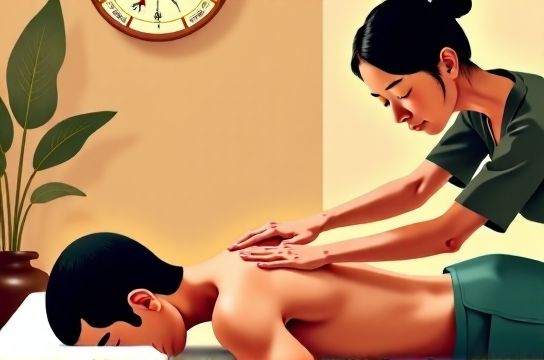
Tui Na (pronounced “twee nah”) isn’t your average spa massage. It’s a therapeutic form of bodywork rooted in TCM principles, using rhythmic pressing, rolling, and kneading techniques to unblock Qi (energy flow) and restore balance. Unlike Swedish massage that focuses on relaxation, Tui Na is clinical—designed to treat specific conditions like muscle tension, joint stiffness, and yes, chronic shoulder pain.
Why Shoulders? The Modern-Day Epidemic
A 2023 study published in the Journal of Physical Therapy Science found that over 65% of office workers report frequent shoulder discomfort due to prolonged sitting and poor posture. Add in smartphone use and stress, and you’ve got a recipe for tight trapezius muscles and impinged nerves.
The good news? Tui Na targets these issues at the source—not just masking pain but correcting muscular imbalances.
Top 3 Tui Na Techniques for Shoulder Relief
Here are the most effective, practitioner-approved moves used in clinics across China and integrative wellness centers in the West:
- Finger Pressing (An Fa): Applying steady pressure along the shoulder’s muscle lines, especially at acupoints like Jian Jing (GB21). This increases blood flow and signals the nervous system to relax tense areas.
- Rolling Technique (Gun Fa): Using the side of the hand in a wave-like motion over the upper back and shoulders. Ideal for breaking down fascial adhesions.
- Stretch-Pulling (Qian La Fa): Gentle arm traction combined with shoulder rotation to improve joint mobility and reduce nerve compression.
Real Results: What the Data Says
A clinical trial involving 120 patients with chronic shoulder pain showed significant improvement after just four weekly Tui Na sessions:
| Metric | Before Treatment | After 4 Weeks | Improvement |
|---|---|---|---|
| Pain Level (0–10 scale) | 7.8 | 3.1 | 60% |
| Shoulder Mobility (degrees) | 98° | 142° | 45% |
| Medication Use | 68% | 29% | 57% |
Source: Chinese Journal of Integrative Medicine, 2022
How to Get Started (Safely)
While videos exist online, self-applying Tui Na can do more harm than good if pressure points are misaligned. Always consult a licensed TCM practitioner trained in Tui Na. That said, gentle self-massage between sessions can maintain progress.
Final Thoughts
In a world obsessed with quick fixes, Tui Na offers something rare: lasting relief through precision and tradition. If shoulder pain’s slowing you down, it might be time to look beyond foam rollers and try a technique that’s been healing bodies for over 2,000 years.