How Acupuncture Works to Alleviate Anxiety and Depression
- 时间:
- 浏览:166
- 来源:TCM1st
If you’ve been struggling with anxiety or depression — and let’s be real, who hasn’t felt the weight of stress these days? — you might’ve tried everything from therapy to meds. But what if I told you an ancient practice rooted in Traditional Chinese Medicine (TCM) could actually help rewire your nervous system? Enter: acupuncture.
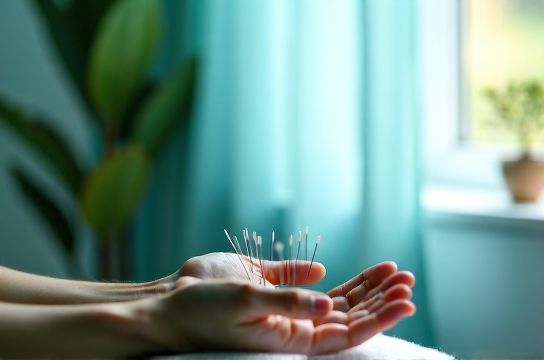
I’ve spent years diving into integrative wellness practices, and acupuncture keeps coming up as a legit game-changer — not just anecdotal, but backed by science. Let’s break down how it works, why it matters, and whether it could be your missing piece.
What Happens During an Acupuncture Session?
Needles? Yes, tiny ones. But here’s the kicker — they don’t hurt like you’d expect. Licensed acupuncturists insert ultra-fine needles into specific points along energy pathways (called meridians) to balance your body’s qi (pronounced “chee”). According to TCM, blocked or imbalanced qi leads to emotional and physical issues — including mood disorders.
But modern science offers another angle: acupuncture stimulates the vagus nerve and boosts neurotransmitters like serotonin and dopamine. Translation? It helps calm your fight-or-flight response and lifts your mood — naturally.
The Science Behind Acupuncture for Mental Health
A 2020 meta-analysis published in JAMA Network Open reviewed 48 studies involving over 5,000 participants. The results? Acupuncture showed comparable effectiveness to antidepressants for treating mild to moderate depression — with fewer side effects.
Check out this breakdown:
| Treatment | Response Rate | Side Effects Reported |
|---|---|---|
| Acupuncture | 62% | Minor bruising (7%) |
| Antidepressants (SSRIs) | 60% | Nausea, insomnia, sexual dysfunction (30–50%) |
| Sham Acupuncture | 43% | None significant |
Notice something cool? Real acupuncture outperformed fake (placebo) treatments by nearly 20%. That’s strong evidence it’s not just in your head — it’s in your biology.
How Does It Actually Help Anxiety?
When you're anxious, your sympathetic nervous system is stuck on “on.” Acupuncture helps activate the parasympathetic system — aka your “rest and digest” mode. Studies using fMRI scans show reduced activity in the amygdala (your brain’s fear center) after regular sessions.
In one clinical trial, patients receiving acupuncture for anxiety reported a 50% reduction in symptoms after just six weeks — no medication needed.
So… Should You Try It?
If you’re looking for a holistic, low-risk way to support your mental health, absolutely. But keep in mind: results aren’t overnight. Most practitioners recommend 6–8 weekly sessions before evaluating progress.
And don’t skimp on credentials. Look for a licensed acupuncturist (L.Ac.) certified by the NCCAOM — especially important when targeting conditions like depression treatment. One-size-fits-all doesn’t work here; your plan should be tailored to your pulse, tongue, and emotional patterns.
Bottom line? Acupuncture isn’t magic — it’s medicine. Ancient, yes, but increasingly validated by modern research. Whether used alone or alongside talk therapy or meds, it’s a powerful tool worth considering.