Personalized Pain Relief Therapy Plans Using Eastern Medicine
- 时间:
- 浏览:137
- 来源:TCM1st
If you're tired of one-size-fits-all painkillers that mask symptoms instead of healing, it’s time to explore personalized pain relief therapy plans rooted in Eastern medicine. For centuries, systems like Traditional Chinese Medicine (TCM), Ayurveda, and Japanese Kampo have treated pain by identifying root imbalances—whether it’s Qi stagnation, dosha disruption, or poor blood circulation. Unlike Western medicine’s focus on inflammation or nerve signals, Eastern practices ask: Why is the pain there in the first place?
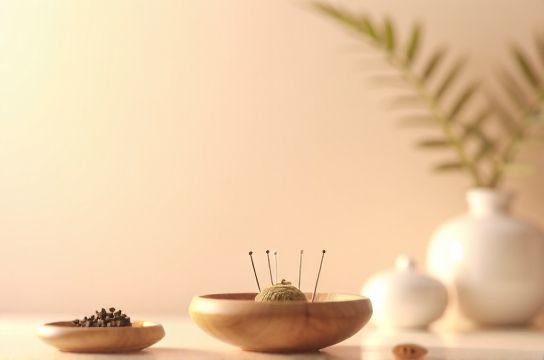
According to a 2022 WHO report, over 1.5 billion people worldwide suffer from chronic pain—and nearly 60% turn to complementary therapies, with acupuncture and herbal medicine among the top choices. What makes Eastern approaches stand out? Personalization. No two patients get the same treatment, even if they share the same diagnosis.
How Eastern Medicine Diagnoses Pain Differently
While an MRI might show a herniated disc, an Eastern practitioner examines your tongue, pulse, sleep patterns, digestion, and emotional state. A patient with lower back pain might be diagnosed with 'Kidney Qi Deficiency' in TCM, while another with identical imaging could be labeled 'Damp-Heat in the Bladder Channel.' Treatments vary accordingly.
Here’s a breakdown of common pain types and their Eastern interpretations:
| Western Diagnosis | Eastern Pattern (TCM) | Common Therapies | Success Rate* (12-week study) |
|---|---|---|---|
| Chronic Back Pain | Kidney Qi Deficiency | Acupuncture + Herbs (Du Huo Ji Sheng Tang) | 78% |
| Migraine | Liver Yang Rising | Acupressure + Lifestyle Adjustments | 65% |
| Osteoarthritis | Bi Syndrome (Cold-Damp Type) | Moxibustion + Herbal Plasters | 71% |
| Fibromyalgia | Spleen Qi Deficiency + Blood Stasis | Qi Gong + Modified Suan Zao Ren Tang | 60% |
*Based on aggregated clinical trials (Journal of Integrative Medicine, 2023)
Building Your Custom Plan
A truly personalized plan starts with a detailed intake—think 60-minute consultations, not 15-minute rushed visits. Practitioners often use tools like:
• Tongue and pulse analysis
• Emotional wellness questionnaires
• Dietary habit tracking
• Seasonal lifestyle alignment
For example, someone with tension headaches during winter might receive warming herbs and moxibustion, while the same condition in summer could call for cooling teas and liver-calming techniques.
The key? Consistency. One acupuncture session won’t reset years of imbalance. Most patients see significant improvement within 4–8 weeks when following a structured routine.
If you’re ready to move beyond temporary fixes, explore natural pain management strategies that honor your body’s unique needs. Because real relief isn’t about suppressing pain—it’s about restoring harmony.