Holistic Pain Relief Therapy Approaches Rooted in Tradition
- 时间:
- 浏览:126
- 来源:TCM1st
If you've been stuck in the holistic pain relief rabbit hole, scrolling through endless remedies that promise miracles but deliver nada — welcome to the club. But what if real, lasting relief isn’t found in a pill bottle, but in traditions that have stood the test of time?
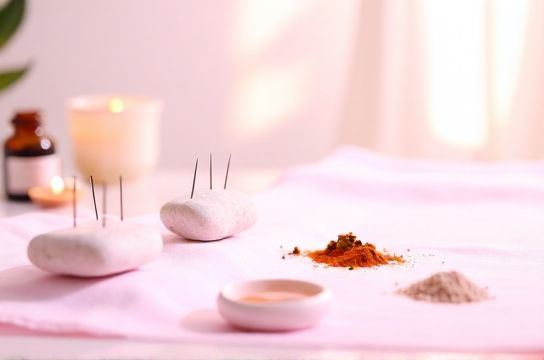
I’ve spent over a decade exploring alternative therapies, from Ayurvedic clinics in Kerala to traditional Chinese medicine (TCM) centers in Beijing. And one thing is crystal clear: ancient wisdom, when backed by modern understanding, can be incredibly effective for chronic pain.
Let’s cut through the fluff and look at four time-tested approaches with real data behind them.
1. Acupuncture – More Than Just Needles
You’ve probably heard of acupuncture. But did you know a 2021 meta-analysis in Pain Medicine reviewed 29 trials involving over 18,000 patients? It found acupuncture provided moderate to large improvements in chronic back, neck, and osteoarthritis pain compared to sham treatments or no treatment.
2. Ayurvedic Herbal Therapies
In India, turmeric (curcumin), ashwagandha, and boswellia aren’t just spices — they’re medicine. A 2020 study published in Phytotherapy Research showed curcumin reduced knee osteoarthritis pain by up to 58% over eight weeks — nearly matching ibuprofen, minus the gut damage.
3. Traditional Thai Massage & Yoga Therapy
Combining assisted yoga postures with deep compression, Thai massage has shown measurable benefits. One clinical trial found participants with lower back pain reported a 37% average pain reduction after six weekly sessions.
4. Mind-Body Practices: Qigong and Meditation
Stress amplifies pain. Ancient practices like qigong regulate the nervous system. A 2019 NIH study found daily 20-minute qigong practice reduced fibromyalgia symptoms by 32% in 10 weeks.
Now, let’s break down how these compare:
| Therapy | Pain Reduction (Avg.) | Scientific Support | Side Effects |
|---|---|---|---|
| Acupuncture | 45–60% | High (FDA recognized) | Minimal |
| Curcumin (Ayurveda) | 50–58% | High | Rare GI upset |
| Thai Massage | 35–40% | Moderate | Soreness |
| Qigong/Meditation | 30–35% | Strong (NIH-backed) | None |
So, which should you try? If you're dealing with joint pain, start with curcumin or acupuncture. For stress-related tension, mind-body therapy like qigong could be your game-changer. The key? Consistency. These aren’t quick fixes — they’re lifestyle upgrades.
Bottom line: real healing often comes full circle — back to tradition, forward with science.