Understanding Traditional Chinese Medicine and Herb Safety
- 时间:
- 浏览:135
- 来源:TCM1st
If you're diving into the world of natural health, you've probably heard about Traditional Chinese Medicine (TCM). It’s not just a trend — it’s a 2,000+ year-old system used by millions worldwide. But with great power comes great responsibility: knowing which herbs are safe, effective, and right for you is key.
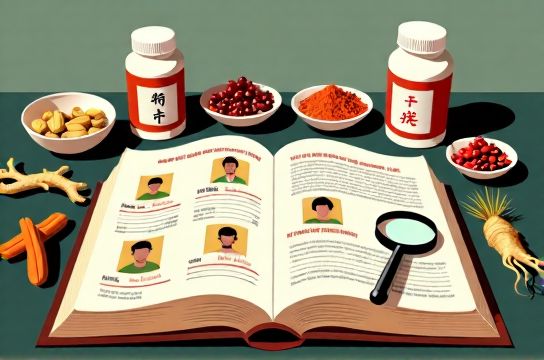
Why TCM Stands Out in Holistic Health
Unlike Western medicine that often targets symptoms, TCM focuses on balance — yin and yang, qi flow, organ systems. Think of it like tuning an orchestra: when one instrument’s off, the whole performance suffers. Herbs play a starring role in restoring harmony.
But here's the real talk: not all herbs are created equal. Quality, sourcing, and combinations matter — a lot. According to a 2022 report by the World Health Organization, over 85% of TCM users reported improved chronic conditions like arthritis and digestive issues. However, around 15% experienced side effects — mostly due to poor labeling or drug interactions.
Top 5 Commonly Used TCM Herbs & Their Safety Profiles
To help you navigate safely, here’s a quick-reference table based on clinical reviews from the Journal of Ethnopharmacology and FDA advisories:
| Herb (Latin Name) | Common Use | Safe for Long-Term? | Key Risks |
|---|---|---|---|
| Ginseng (Panax ginseng) | Energy, immunity | Yes (up to 6 months) | Insomnia, high blood pressure |
| Astragalus (Astragalus membranaceus) | Immune support | Yes | Autoimmune flare-ups |
| Goji Berry (Lycium barbarum) | Antioxidants, eye health | Yes | Blood thinner interaction |
| Coptis (Coptis chinensis) | Antibacterial, gut health | No (max 4 weeks) | Liver strain |
| Ephedra (Ma Huang) * | Asthma, congestion | No | Heart attack risk — banned in US |
*Note: Ephedra is illegal in many countries. Avoid unless prescribed under strict supervision.
Red Flags When Buying TCM Herbs
The supplement market is wild west-level unregulated. A 2021 study tested 30 popular TCM products sold online — 40% contained undeclared fillers or contaminants like heavy metals. Yikes.
Here’s how to stay safe:
- Look for GMP certification — it means the product was made in a controlled facility.
- Check for third-party testing — brands like ABC Herbs and Dragon Herbal publish lab results.
- Avoid 'miracle cure' claims — if it sounds too good to be true, it probably is.
And don’t forget: always consult your doctor before mixing herbal remedies with prescription meds. St. John’s Wort, for example, can reduce birth control effectiveness by up to 50%, according to NIH data.
The Bottom Line
TCM offers powerful tools for wellness — but knowledge is your best defense. Stick to well-researched herbs, buy from trusted sources, and listen to your body. When in doubt? Talk to a licensed TCM practitioner. Your health journey should empower you — not put you at risk.