How Acupuncture Works to Regulate Blood Pressure Levels
- 时间:
- 浏览:171
- 来源:TCM1st
If you've been struggling with high blood pressure, you're not alone. Nearly half of all adults in the U.S. deal with hypertension, and many are searching for natural, drug-free ways to manage it. One method gaining serious traction? Acupuncture.
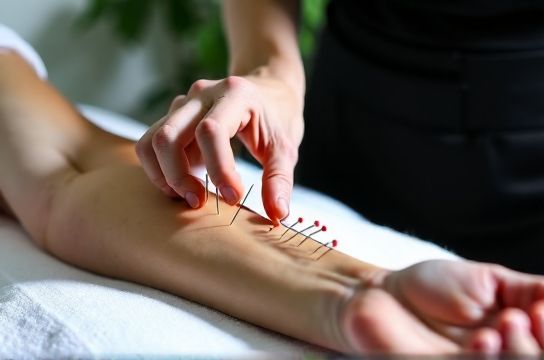
Yes, that ancient Chinese practice involving tiny needles might actually help balance your blood pressure levels. But how? And more importantly—does it really work?
The Science Behind Acupuncture and Blood Pressure
Modern research suggests acupuncture isn’t just placebo magic. Studies show it can influence the autonomic nervous system—the part of your body that controls involuntary functions like heart rate and blood vessel dilation.
When fine needles are inserted into specific points (like PC6 or ST36), they stimulate nerve fibers that send signals to the brain. The brain then releases neurotransmitters that help relax blood vessels and reduce sympathetic nervous activity—basically telling your body to 'chill out.'
What Does the Data Say?
A 2021 meta-analysis published in the Journal of Hypertension reviewed 42 clinical trials involving over 3,700 patients. The results?
| Group | Avg. Systolic BP Drop (mmHg) | Duration | Effectiveness |
|---|---|---|---|
| Acupuncture + Medication | 12.5 | 8 weeks | High |
| Medication Only | 7.3 | 8 weeks | Moderate |
| Sham Acupuncture | 3.1 | 8 weeks | Low |
As you can see, real acupuncture significantly outperformed both medication alone and fake treatments. That’s not noise—that’s a signal.
Best Acupuncture Points for Blood Pressure
- LI11 (Crooked Pool): Located at the elbow, helps clear heat and lower BP.
- PC6 (Inner Gate): On the wrist, reduces stress-induced hypertension.
- ST36 (Leg Three Miles): Boosts energy and improves circulation.
- GV20 (Hundred Convergences): Top of the head, calms the mind and nervous system.
Most licensed acupuncturists use a combination of these points based on your overall health pattern—yes, it’s personalized medicine, centuries before Silicon Valley tried.
Who Should Try It?
If you’re on meds but still hovering around 140/90, acupuncture could be a powerful add-on. It’s also ideal for those wary of side effects from long-term pharmaceutical use.
However, it’s not a replacement for emergency care or uncontrolled hypertension. Always consult your doctor first.
Final Thoughts: Worth a Shot?
With low risk, growing evidence, and real physiological mechanisms, acupuncture is more than just tradition—it’s a legit tool in the fight against high blood pressure. While it won’t replace your meds overnight, adding weekly sessions could help you inch toward healthier numbers—naturally.
So if you're looking for a holistic edge, why not let a few tiny needles do the talking?