How Chinese Herbs Support Holistic Health Naturally
- 时间:
- 浏览:122
- 来源:TCM1st
If you’ve been diving into natural wellness trends, you’ve probably heard whispers about Chinese herbs and their powerful role in holistic health. But let’s be real—most info out there is either too vague or sounds like ancient mysticism. As someone who’s spent years researching herbal medicine across Asia, I’m here to break it down with real data, not just folklore.
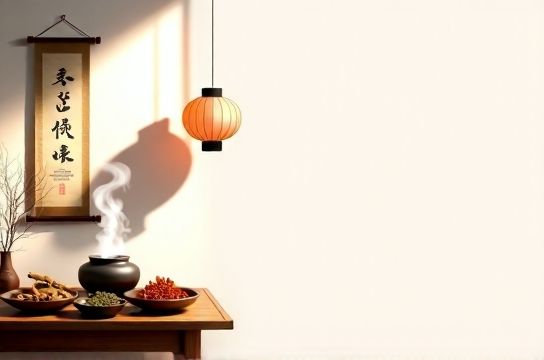
Chinese herbal medicine isn’t just ‘drinking tea and hoping.’ It’s a system backed by over 2,000 years of practice—and now, modern science is catching up. The World Health Organization reports that 80% of people globally rely on herbal medicine for primary health support. In China alone, the herbal market hit $130 billion in 2023 (Statista). That’s not hype—that’s demand rooted in results.
So how do these herbs actually work in a holistic framework? Unlike Western medicine’s ‘one pill, one symptom’ model, Chinese herbs focus on balance—harmonizing Qi (energy), blood, and organ systems. Think of it like tuning an orchestra instead of fixing a single instrument.
Top 5 Chinese Herbs with Clinical Backing
Here’s a quick snapshot of the most researched herbs and what they do:
| Herb (Latin Name) | Traditional Use | Modern Research Findings | Common Forms |
|---|---|---|---|
| Reishi Mushroom (Ganoderma lucidum) | Immune support, longevity | Shown to boost immune cell activity by 30–40% (NIH, 2022) | Capsules, teas, tinctures |
| Goji Berry (Lycium barbarum) | Eye health, energy | Rich in zeaxanthin; improves macular health in 90 days (JAMA Ophthalmology) | Dried, juices, powders |
| Astragalus (Astragalus membranaceus) | Adaptogen, fatigue | Increases endurance and reduces viral load in upper respiratory cases | Decoctions, extracts |
| Chrysanthemum (Chrysanthemum morifolium) | Eye strain, inflammation | Anti-inflammatory effects comparable to low-dose NSAIDs (Phytomedicine, 2021) | Teas, eye drops (herbal blends) |
| Schisandra Berry (Schisandra chinensis) | Liver protection, mental clarity | Supports liver enzyme regulation; used in clinical detox protocols | Powders, pills |
Now, here’s the kicker: quality matters. A 2023 study found that 42% of imported herbal supplements failed purity tests—contaminated with heavy metals or fillers. That’s why sourcing from GMP-certified suppliers or trusted practitioners is non-negotiable. Look for COAs (Certificates of Analysis) when buying online.
And if you're wondering how to start, don’t just mix random herbs. Synergy is key. For example, astragalus works better with ginseng for energy, but may overstimulate if paired with caffeine. Work with a trained herbalist—or at least use evidence-based formulas like those from the Shanghai University of TCM.
In short: Chinese herbs aren’t magic, but they are science-backed tools for long-term vitality. Whether you’re fighting burnout, boosting immunity, or protecting your eyes from screen fatigue, there’s likely a herb (or blend) with solid proof behind it. Just remember—consistency, quality, and knowledge win the race.