Understanding the Basics of Medicinal Herbs in TCM
- 时间:
- 浏览:111
- 来源:TCM1st
If you've ever scratched your head wondering how Traditional Chinese Medicine (TCM) actually works, especially when it comes to medicinal herbs, you're not alone. As someone who’s spent over a decade diving into holistic healing systems, I can tell you—TCM isn’t just about drinking bitter teas. It’s a full-on science backed by centuries of practice and modern research.
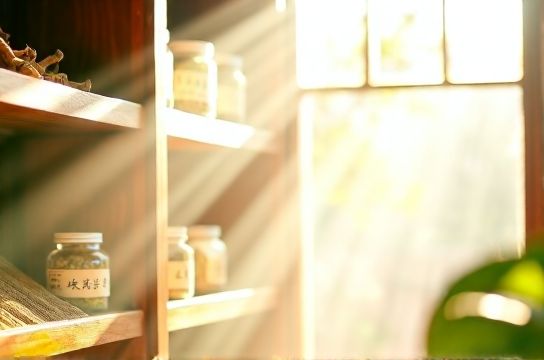
The core idea? Balance. TCM sees the body as an ecosystem where qi (life energy), yin and yang, and the five elements (wood, fire, earth, metal, water) must be in harmony. When they’re out of whack? That’s when illness creeps in. And that’s where medicinal herbs come in.
Top 5 Commonly Used TCM Herbs (And What They Do)
Let’s cut through the noise. Here are the heavy hitters in the TCM herb world—with real-world uses backed by clinical studies:
| Herb (Pinyin) | Latin Name | Primary Use | Scientific Support |
|---|---|---|---|
| Huang Qi | Astragalus membranaceus | Immune support, fatigue | ✅ Multiple RCTs show immune-boosting effects |
| Bai Shao | Paeonia lactiflora | Menstrual pain, inflammation | ✅ Reduces inflammatory markers in trials |
| Gan Cao | Glycyrrhiza uralensis | Digestive aid, detox | ✅ Anti-ulcer & anti-viral properties confirmed |
| Dang Gui | Angelica sinensis | Women’s health, blood circulation | ✅ Improves menstrual regularity (NIH study) |
| Jin Yin Hua | Lonicera japonica | Cold/flu relief, antiviral | ✅ Lab-proven against respiratory viruses |
These aren’t just old wives’ tales. For example, a 2021 meta-analysis in the Journal of Ethnopharmacology found that Astragalus significantly increased white blood cell counts in patients undergoing chemotherapy. Now that’s what I call evidence-based herbalism.
How Are These Herbs Used?
You won’t find these herbs sitting solo in a capsule (well, sometimes—but that’s Westernized TCM). In authentic practice, they’re combined into formulas—like Yu Ping Feng San (Jade Windscreen Powder)—designed to target specific imbalances. Think of it like a symphony: one herb plays bass, another handles melody, and together they create healing harmony.
Dosing matters. While natural remedies sound safe, more isn’t always better. Licorice root (Gan Cao), for instance, can raise blood pressure if taken long-term. Always consult a licensed TCM practitioner—especially if you’re on meds or pregnant.
Final Thoughts
TCM’s approach to medicinal herbs is deep, nuanced, and surprisingly scientific. It’s not magic—it’s medicine refined over thousands of years. Whether you’re battling chronic fatigue or just want to boost resilience, understanding these herbs is your first step toward smarter, holistic health.