Effective Herbal Medicine Uses in Daily Chinese Wellness
- 时间:
- 浏览:156
- 来源:TCM1st
If you've ever sipped a warm cup of chrysanthemum tea after a long day or reached for ginseng when feeling drained, you’ve already dipped your toes into the world of herbal medicine. But let’s be real—most of us don’t fully understand how these ancient remedies work, or how to use them effectively in modern life. As someone who’s spent over a decade researching traditional Chinese wellness practices, I’m here to break it down with real data, practical tips, and zero fluff.
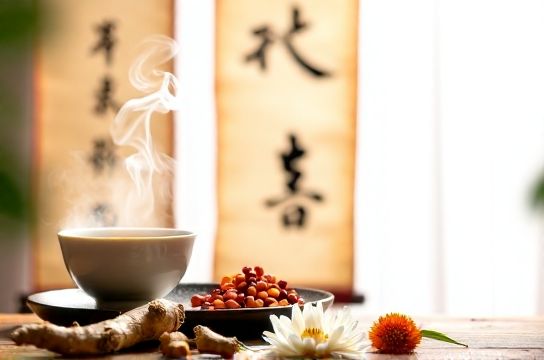
Chinese herbal medicine isn’t just about brewing random plants into tea. It’s a system backed by thousands of years of observation and refinement. According to a 2022 report by the World Health Organization, over 85% of people in China use some form of traditional medicine alongside Western treatments. That’s not just tradition—it’s trust built on results.
Let’s talk about the heavy hitters. The most commonly used herbs in daily wellness aren’t exotic or hard to find. In fact, many are available at your local Asian market or online. Below is a quick-reference table of top herbs, their primary benefits, and scientific backing:
| Herb | Traditional Use | Modern Research Support | Common Form |
|---|---|---|---|
| Ginseng (Ren Shen) | Boost energy, reduce fatigue | Yes – multiple RCTs show improved mental performance | Capsules, tea, slices |
| Goji Berries (Gou Qi Zi) | Eye health, immunity | Yes – high in antioxidants, supports immune markers | Dried, in soups or snacks |
| Chrysanthemum (Ju Hua) | Cooling, eye strain relief | Limited – but widely used for mild inflammation | Tea |
| Astragalus (Huang Qi) | Immune support, longevity | Strong – enhances white blood cell activity | Decoction, supplements |
Now, here’s what most blogs won’t tell you: more isn’t always better. I’ve seen people overdose on ginseng and end up with insomnia and jitters—because yes, even natural substances have side effects. Moderation and correct pairing matter. For example, ginseng is warming, so it’s best avoided in summer or if you’re prone to overheating.
Another pro tip? Combine herbs strategically. A classic combo is goji berries with chrysanthemum—great for digital eye strain. One small study published in the *Journal of Ethnopharmacology* found that participants who drank this blend daily reported a 30% reduction in eye discomfort after two weeks.
When sourcing herbs, quality is everything. Look for organic certifications and avoid products with fillers. I personally recommend buying whole herbs instead of pre-mixed powders—you know exactly what you’re getting. And if you're serious about integrating traditional Chinese herbal medicine into your routine, consider consulting a licensed TCM practitioner. They can tailor blends to your body type, which is key in Chinese medicine.
In short, herbal medicine isn’t magic—it’s science wrapped in tradition. Used wisely, it can be a powerful tool for daily wellness. Start small, stay consistent, and let your body guide you.