Ancient Wisdom Behind Chinese Herbal Medicine Systems
- 时间:
- 浏览:112
- 来源:TCM1st
If you’ve ever scrolled through a wellness blog or stood in awe at an herbal apothecary, chances are you've encountered Chinese herbal medicine systems. But what makes them stand the test of time? Spoiler: it’s not just tradition — it’s centuries of observation, refinement, and deep holistic understanding.
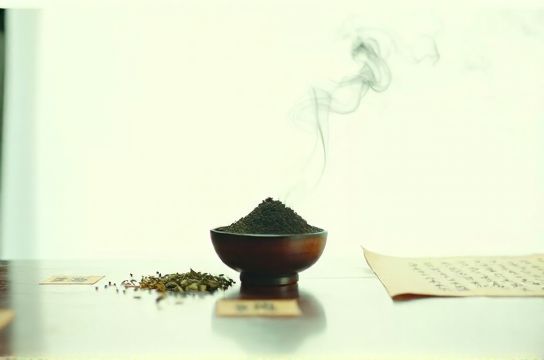
Unlike Western quick-fix models, Chinese herbal medicine operates on balance — balancing yin and yang, harmonizing organ systems, and treating the root, not just the symptom. And get this: a 2023 report from Grand View Research estimates the global traditional Chinese medicine (TCM) market at USD 184.6 billion, growing at a CAGR of 5.3%. That’s not just cultural preservation — that’s real-world trust.
Let’s break down how these ancient systems actually work. At the core are diagnostic methods like pulse reading, tongue analysis, and pattern differentiation. Practitioners don’t treat "headaches" — they treat "Liver Fire Rising" or "Qi Stagnation", each calling for a unique blend of herbs.
Take licorice root (Gan Cao), used in over 70% of TCM formulas according to a study published in the *Journal of Ethnopharmacology*. Why? It’s believed to "harmonize" other herbs, reducing side effects and boosting efficacy. Now that’s teamwork.
Top Herbs & Their Traditional Uses
| Herb (Pinyin) | Latin Name | Primary Use | Common Form |
|---|---|---|---|
| Huang Qi | Astragalus membranaceus | Boost immunity, tonify Qi | Decoction, capsule |
| Dang Gui | Angelica sinensis | Blood tonification, women's health | Tea, extract |
| Bai Zhu | Atractylodes macrocephala | Spleen support, reduce dampness | Powder, decoction |
| Gan Cao | Glycyrrhiza uralensis | Harmonize formulas, soothe throat | Slice, extract |
Now, here’s where things get smart: modern science is catching up. A 2022 meta-analysis in *Frontiers in Pharmacology* found that Astragalus significantly improved immune response in patients undergoing chemotherapy. This isn’t placebo — it’s pharmacological synergy rooted in ancient wisdom.
But caution: self-prescribing can backfire. Some herbs interact with medications (e.g., licorice and blood pressure drugs). Always consult a licensed practitioner — especially when diving into full Chinese herbal medicine systems.
The bottom line? These aren’t mystical potions. They’re data-backed, clinically refined tools evolved over 2,000+ years. Whether you're battling fatigue, hormonal swings, or chronic stress, there's likely a formula with your name on it — literally, if you ask a good TCM doctor.