How to Store and Use Chinese Herbs Properly
- 时间:
- 浏览:141
- 来源:TCM1st
If you're diving into the world of natural wellness, you've probably come across Chinese herbs—they’ve been used for over 2,000 years in Traditional Chinese Medicine (TCM) to support everything from digestion to immunity. But here’s the real talk: just buying them isn’t enough. If you store or use them wrong, their potency drops faster than a dropped phone in a puddle.
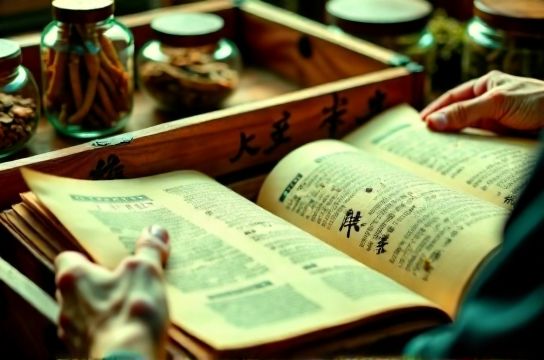
I’ve spent years working with herbalists, studying TCM practices, and testing storage methods—from humidity-controlled cabinets to vacuum sealing. Let me save you time (and money) by sharing what actually works.
Why Proper Storage Matters
Chinese herbs are plant-based—roots, leaves, flowers, bark—and like all organic matter, they degrade. Exposure to light, moisture, heat, and air speeds up oxidation and mold growth. A 2021 study published in the Journal of Ethnopharmacology found that improperly stored herbs lost up to 40% of active compounds within 6 months.
So how do you keep your herbs effective? Here’s your go-to guide:
Best Storage Practices
- Airtight containers: Glass jars with rubber seals are ideal. Avoid plastic—it can leach chemicals and isn’t fully moisture-proof.
- Cool & dark place: A kitchen cabinet away from the stove or sunlight keeps temps stable (ideally below 77°F or 25°C).
- Low humidity: Keep moisture under 50%. Add silica gel packs if needed—especially in humid climates.
- Label everything: Include purchase date and expiration. Most dried herbs last 6–12 months at peak potency.
Common Herbs & Shelf Life
| Herb | Form | Max Shelf Life | Key Active Compounds |
|---|---|---|---|
| Ginseng (Ren Shen) | Dried root | 2 years* | Ginsenosides |
| Licorice Root (Gan Cao) | Sliced | 18 months | Glycyrrhizin |
| Goji Berries (Gou Qi Zi) | Dried fruit | 12 months | Polysaccharides |
| Chrysanthemum Flowers | Dried bloom | 12 months | Flavonoids |
*When stored in vacuum-sealed, dark glass containers at optimal conditions.
Using Herbs Safely & Effectively
More isn’t always better. Overuse or incorrect combinations can cause side effects—like licorice raising blood pressure in high doses. Always follow dosage guidelines. For decoctions (herbal teas), simmer roots/barks for 30–45 mins; add leaves/flowers in the last 10 mins to preserve volatile oils.
And don’t forget sourcing. Poor quality = poor results. Look for GMP-certified suppliers or consult a licensed TCM practitioner to avoid contaminants like heavy metals or pesticides.
Bottom line: Treat your herbs like fine spices. Store smart, use fresh, and respect the tradition behind them. Your body will thank you—with energy, clarity, and lasting wellness.