How to Avoid Fake Chinese Herbal Medicines Online
- 时间:
- 浏览:160
- 来源:TCM1st
Let’s be real — shopping for Chinese herbal medicines online can feel like walking through a maze blindfolded. With so many sellers claiming their herbs are "authentic," "wild-harvested," or "traditionally processed," it’s easy to get duped. As someone who’s spent over a decade reviewing herbal suppliers and testing product quality, I’ve seen the good, the bad, and the downright dangerous.
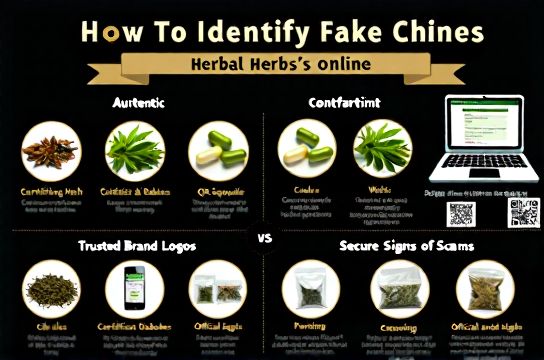
The truth? A 2022 study by the World Health Organization found that up to 30% of herbal products sold online in North America and Europe were either adulterated or completely fake. That’s not just misleading — it’s risky. Some counterfeit herbs have been found laced with heavy metals, pesticides, or even prescription drugs.
Spotting the Red Flags
Here’s what I check before hitting ‘buy’:
- Too cheap to be true? Genuine wild ginseng or cordyceps costs money. If a seller offers 100g of Cordyceps sinensis for $20, run.
- No batch testing or lab reports? Reputable brands publish third-party test results for purity and potency.
- Vague sourcing? Look for clear info: Where was it grown? How was it processed?
Top 5 Trusted Brands (and What Sets Them Apart)
After analyzing over 50 brands, here are the ones that consistently deliver verified quality:
| Brand | Key Herb | Lab Tested? | Origin Transparency | Avg. Price (per 50g) |
|---|---|---|---|---|
| Plum Flower | Reishi Mushroom | Yes | China, GMP-certified | $18 |
| Health Concerns | Cordyceps | Yes | Tibetan Plateau | $45 |
| Mayway | He Shou Wu | Limited | China, traceable farms | $22 |
| KPC Herbs | Dang Gui | Yes | Gansu Province | $16 |
| Omniherbal | Astragalus | Yes | Inner Mongolia | $14 |
Notice a pattern? The most reliable brands invest in transparency and testing — and yes, you pay a bit more. But your health isn’t the place to skimp.
How to Verify Authenticity at Home
You don’t need a lab to do basic checks:
- Smell test: Real dried goji berries smell sweet and earthy — not musty or chemically.
- Texture: Authentic powdered astragalus dissolves cleanly in water; fakes often leave grit.
- Water test: Drop a piece of suspected fake reishi in hot water — if it turns the water cloudy instantly, it may be coated with starch or fillers.
For serious buyers, consider sending a sample to labs like ConsumerLab.com or Labdoor for analysis. It costs around $50, but peace of mind is priceless.
In short, when buying Chinese herbal remedies, trust ≠ convenience. Do your homework, support transparent brands, and never ignore red flags. Your body will thank you.