How to Read Labels When Buying Chinese Herbal Products
- 时间:
- 浏览:177
- 来源:TCM1st
So you're diving into the world of Chinese herbal products — maybe for immune support, better sleep, or gut health. Smart move. But here’s the real tea: not all labels are created equal. As someone who’s spent years reviewing hundreds of herbal supplements and working with TCM (Traditional Chinese Medicine) practitioners, I’ve seen how misleading packaging can be. Let me show you how to cut through the noise and actually understand what’s in that bottle.
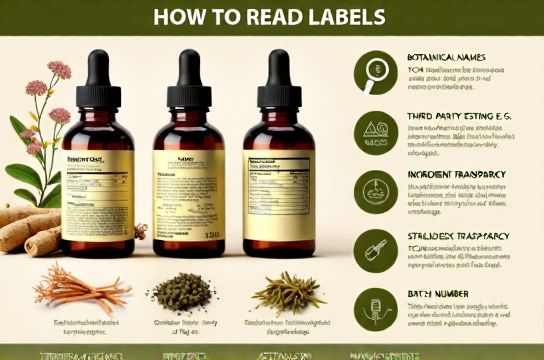
Why Label Literacy Matters
A 2022 study published in Frontiers in Pharmacology found that over 30% of herbal supplements tested didn’t match their label claims — either missing key ingredients or containing unlisted fillers. Scary, right? That’s why learning to read labels isn’t just helpful — it’s essential for your health.
What to Look For on a Chinese Herbal Product Label
Here’s your quick checklist:
- Latin botanical names (e.g., Glycyrrhiza uralensis instead of just “licorice root”)
- Part used (root, leaf, seed — this affects potency!)
- Extraction ratio (like 5:1 or 10:1 — higher means more concentrated)
- Fillers or additives (avoid magnesium stearate, silicon dioxide, etc.)
- Third-party testing (look for certifications like NSF or USP)
Decoding Extraction Ratios
This is where most people get tripped up. An extraction ratio tells you how much raw herb was used to make the extract. For example, a 10:1 ratio means 10 pounds of herb made 1 pound of extract. Here’s a breakdown:
| Extraction Ratio | Raw Herb Equivalent | Potency Level |
|---|---|---|
| 4:1 | 4g herb → 1g extract | Moderate |
| 8:1 | 8g herb → 1g extract | High |
| 15:1 | 15g herb → 1g extract | Very High |
Want stronger effects? Go for higher ratios — but always check dosage recommendations.
The Problem With Vague Terms
If a label says “proprietary blend” without listing individual herb amounts, run. Seriously. This loophole lets brands hide under-dosed ingredients. Always choose transparent formulas — like those from brands that link to verified sourcing practices.
Spotting Red Flags
Watch out for:
- Missing expiration dates
- No manufacturer contact info
- Unrealistic claims like “cures arthritis in 7 days”
- Ingredients listed in non-Latin names only
And don’t forget — real Chinese herbal medicine is about balance, not magic bullets.
Final Tip: Check for Country of Origin
China, Korea, and Japan have strict farming standards for medicinal herbs. If it’s grown in clean, regulated regions (like Jilin or Yunnan), that’s a green flag. Avoid products with undefined origins.
Bottom line: Your health is too important to guess. Take 60 seconds to read the label — your body will thank you.