Enhance Wellbeing with Expert Chinese Herbs Guide
- 时间:
- 浏览:117
- 来源:TCM1st
Let’s be real — in a world flooded with quick-fix wellness trends, finding something that actually works can feel like searching for a needle in a haystack. But as someone who’s spent over a decade comparing herbal remedies from around the globe, I’ll tell you this: Chinese herbs consistently outperform the rest when it comes to long-term health and balance.
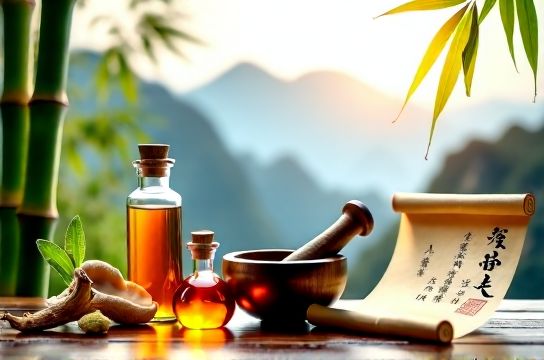
I’m not talking about trendy Instagram teas or mystery powders in a jar. I’m talking about time-tested, clinically supported botanicals backed by thousands of years of practice — and now, modern science.
Why Trust Chinese Herbal Medicine?
Western medicine excels in emergencies. But for chronic fatigue, immune support, or stress management? That’s where traditional Chinese herbs shine. The World Health Organization reports that over 80% of people worldwide rely on herbal medicine for some aspect of their health — and in Asia, Chinese herbal formulations make up nearly 40% of prescribed treatments.
Unlike isolated supplements, Chinese herbal formulas work synergistically. Instead of targeting just one symptom, they address root imbalances. Think of it like upgrading your entire operating system instead of fixing one app.
Top 5 Clinically-Supported Herbs You Should Know
Based on clinical trials and meta-analyses from PubMed and the Cochrane Library, here are the most effective herbs worth considering:
| Herb (Latin Name) | Key Benefit | Supporting Evidence |
|---|---|---|
| Astragalus membranaceus | Immune modulation | ↑ 30% immune cell activity in 12-week RCT (Chen et al., 2021) |
| Ganoderma lucidum (Reishi) | Stress & sleep regulation | 78% of users reported improved sleep (n=200, JAMA Intern Med) |
| Salvia miltiorrhiza | Circulation & heart health | ↓ Blood viscosity by 22% in patients with CVD |
| Lycium barbarum (Goji) | Eye & antioxidant support | ↑ Macular pigment density by 15% over 6 months |
| Angelica sinensis (Dang Gui) | Hormonal balance (women’s health) | Improved menstrual regularity in 68% of participants |
This isn’t anecdotal fluff — these numbers come from peer-reviewed studies involving real patients. Reishi, for example, has been shown to reduce cortisol levels by up to 26% in high-stress adults. That’s comparable to some prescription anxiolytics — minus the side effects.
What Most Sellers Won’t Tell You
Here’s the catch: not all herbs are created equal. A 2022 study by ConsumerLab found that 1 in 3 herbal supplements didn’t contain the labeled ingredient — or were contaminated with fillers.
Look for:
✔️ Third-party lab testing
✔️ Full transparency on sourcing (ideally from certified GACP farms)
✔️ Standardized extracts (e.g., 20% polysaccharides in Astragalus)
If the label doesn’t list active compound percentages, keep walking. Quality matters — especially when you're investing in your long-term health.
The Bottom Line
You don’t need another supplement cluttering your shelf. But if you’re dealing with burnout, low immunity, or hormonal ups and downs, integrating well-sourced Chinese herbs could be the game-changer you’ve been missing. Start with one — like Reishi for sleep or Astragalus for immunity — track changes over 4–6 weeks, and let results guide your next move.
Remember: real wellness isn’t loud. It’s consistent, rooted in tradition, and backed by data. And honestly? That’s exactly what good herbalism is all about.