Essential Tips for Using Medicinal Herbs from China
- 时间:
- 浏览:124
- 来源:TCM1st
If you're diving into natural wellness, you've probably heard about the power of medicinal herbs from China. For thousands of years, Traditional Chinese Medicine (TCM) has used plant-based remedies to support health — and today, science is starting to catch up. But with so many herbs out there, how do you use them safely and effectively? Let’s break it down with real insights, backed by data and experience.
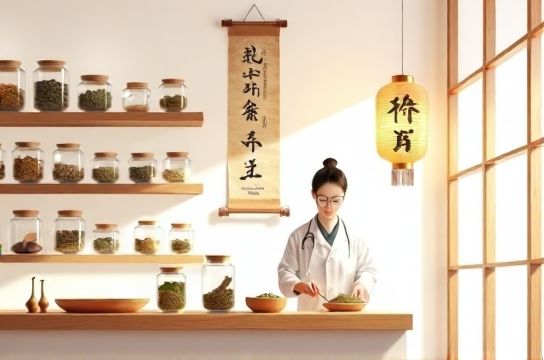
Why Chinese Herbal Medicine Stands Out
Unlike Western herbal supplements that often focus on single ingredients, TCM formulas typically combine multiple herbs to balance effects. According to a 2022 report by the World Health Organization, over 11,000 clinical studies have explored TCM's efficacy, with promising results in managing chronic fatigue, digestive issues, and immune support.
But here’s the catch: not all herbs are safe for everyone. Some interact with medications, and quality varies widely between suppliers. That’s why knowing what to look for is key.
Top 5 Commonly Used Medicinal Herbs from China
Basing this on clinical usage and safety profiles, here are five widely trusted herbs:
| Herb (Latin Name) | Common Use | Typical Dosage | Research-Supported Benefit |
|---|---|---|---|
| Astragalus membranaceus | Immune support | 9–30g/day (decoction) | Boosts white blood cell activity (NIH, 2021) |
| Glycyrrhiza uralensis (Licorice root) | Respiratory & digestive health | 3–9g/day | Anti-inflammatory, soothes mucous membranes |
| Cordyceps sinensis | Energy & stamina | 1–3g/day (powder) | Improves oxygen uptake (Journal of Ethnopharmacology) |
| Lycium barbarum (Goji berry) | Eye & liver health | 10–30g/day | Rich in antioxidants; supports vision |
| Panax ginseng | Cognitive function & stress | 200–400mg extract/day | Enhances mental performance (Cochrane Review) |
How to Choose High-Quality Herbs
Contamination is a real issue. A 2020 study tested 120 imported herbal products and found 32% contained unlisted fillers or heavy metals. Look for brands that provide third-party lab testing and adhere to Good Manufacturing Practices (GMP).
Also, favor whole herbs over extracts when possible — they’re more balanced and less prone to side effects. And always consult your healthcare provider before mixing herbs with prescription drugs. For example, licorice root can raise blood pressure if taken long-term.
Final Thoughts
Used wisely, Chinese medicinal herbs can be a powerful part of your wellness toolkit. Start with well-researched options, prioritize quality, and respect their potency. Nature’s pharmacy is deep — but with the right guidance, you can tap into its benefits safely.