Traditional Chinese Herbal Medicine Guide for Beginners
- 时间:
- 浏览:128
- 来源:TCM1st
So you’ve heard about Traditional Chinese Herbal Medicine and want to dip your toes in? You’re not alone. Millions are turning back to ancient healing practices — and for good reason. But let’s be real: walking into a shop full of dried roots, barks, and mysterious powders can feel overwhelming. Where do you even start?
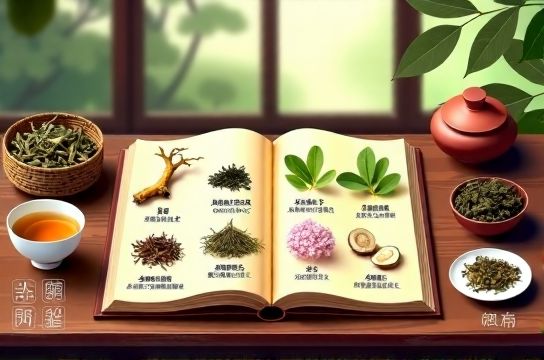
Luckily, I’ve spent over a decade studying herbal systems worldwide, and TCM (yes, that’s Traditional Chinese Medicine) stands out for its balance-focused approach. It’s not just about killing symptoms — it’s about restoring harmony in your body.
What Exactly Is TCM?
Unlike Western medicine that often targets specific diseases, TCM works on the concept of Qi (pronounced “chee”) — your body’s vital energy. When Qi flows smoothly, you feel great. When it’s blocked or unbalanced? Hello fatigue, insomnia, or digestive issues.
Herbs in TCM aren’t used solo. They’re carefully combined into formulas — typically 4 to 20 ingredients — to enhance effectiveness and reduce side effects. For example, Gan Cao (licorice root) is often added to soothe the stomach and boost absorption.
Top 5 Beginner-Friendly Herbs
If you're new, don’t jump into complex blends. Start simple. Here are five gentle yet powerful herbs commonly recommended by practitioners:
| Herb (Pinyin) | Common Name | Primary Benefit | Typical Form |
|---|---|---|---|
| Huang Qi | Asian Ginseng | Boosts energy & immunity | Capsules, decoctions |
| Dang Gui | Chinese Angelica | Supports women’s health | Teas, tinctures |
| Ju Hua | Chrysanthemum Flower | Calms eyes & nerves | Infusions |
| Bai Zhu | White Atractylodes | Aids digestion | Powder, pills |
| Fu Ling | Hoelen Mushroom | Reduces bloating & anxiety | Tea, granules |
Pro tip: Always buy from reputable suppliers. A 2021 study found up to 30% of online herbal products contain fillers or contaminants (Journal of Herbal Medicine, Vol. 11). Look for third-party tested brands with clear sourcing.
How to Use Them Safely
More isn’t better. In TCM, dosage and duration matter. For instance, while Asian Ginseng is fantastic for energy, taking it long-term without breaks may cause restlessness or high blood pressure in sensitive individuals.
Start with one herb at a time. Track how you feel for at least a week. Common signs of imbalance: trouble sleeping, digestive upset, or skin breakouts — stop and reassess.
Final Thoughts
Exploring Traditional Chinese Herbal Medicine doesn’t mean ditching modern science — it means adding another tool to your wellness toolkit. With the right knowledge and caution, it can support long-term vitality in ways pharmaceuticals sometimes can’t.
Remember: when in doubt, consult a licensed TCM practitioner. Your body will thank you.