What You Need to Know About Using Chinese Herbs Safely
- 时间:
- 浏览:128
- 来源:TCM1st
So you're curious about Chinese herbs? Smart move. These natural remedies have been used for over 2,000 years—and for good reason. But here’s the tea (pun intended): just because something’s “natural” doesn’t mean it’s automatically safe. As a wellness blogger who’s dug deep into holistic healing, I’ve seen both magic and mess-ups when people use herbal medicine without guidance.
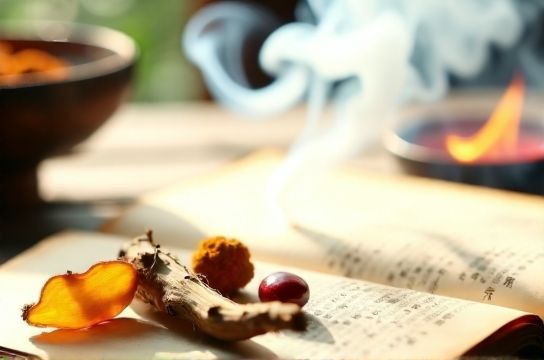
Let’s break it down with real talk, backed by science and tradition.
Why Chinese Herbs Work (and When They Don’t)
Traditional Chinese Medicine (TCM) isn’t just random roots in a pot. It’s a full system based on balance—yin and yang, qi flow, organ networks. Herbs are prescribed in formulas, often 4–20 ingredients, designed to support each other and reduce side effects.
For example, astragalus boosts immunity, but paired with licorice root, it becomes more effective and gentler on digestion.
Safety First: The Hidden Risks
Not all herbs are created equal. A 2021 study published in Frontiers in Pharmacology found that 32% of imported TCM products contained undeclared fillers or contaminants like heavy metals. Scary? Yeah. Avoidable? Absolutely.
Here’s what to watch for:
- Herb-drug interactions: Ginkgo biloba can thin blood—dangerous if you’re on anticoagulants.
- Liver toxicity: Some herbs like bai xian pi have been linked to liver damage in rare cases.
- Poor sourcing: Unregulated markets may sell mislabeled or polluted products.
Top 5 Commonly Used Chinese Herbs – Safety Snapshot
| Herb (Pinyin) | Common Use | Known Risks | Safe For Most? |
|---|---|---|---|
| Huang Qi (Astragalus) | Immune support | May interact with immunosuppressants | ✅ Yes |
| Dang Gui (Angelica sinensis) | Women's health, blood circulation | Blood-thinning effect | ⚠️ Caution on meds |
| Gan Cao (Licorice Root) | Digestive & adrenal support | High doses → high blood pressure | ✅ In moderation |
| Gou Qi Zi (Goji Berry) | Antioxidant, eye health | Few risks; possible allergy | ✅ Yes |
| Bai Zhu (White Atractylodes) | Digestive strength, reduce dampness | Rare allergic reactions | ✅ Yes |
Always consult a licensed TCM practitioner or integrative doctor—especially if pregnant, nursing, or on prescription meds.
How to Buy Clean, Safe Herbs
Look for brands with third-party testing (like NSF or USP verified). My go-to? Healthline-approved suppliers that disclose sourcing and test for heavy metals, pesticides, and microbes.
Pro tip: Choose extracts or capsules over raw powders unless you’re working with a pro. Consistency and dosage matter!
The Bottom Line
Chinese herbs can be powerful allies—if used wisely. Respect the tradition, verify the source, and never self-prescribe long-term. Your body will thank you.