How to Store and Prepare Chinese Herbs at Home
- 时间:
- 浏览:145
- 来源:TCM1st
If you're diving into the world of natural wellness, storing and preparing Chinese herbs the right way is a total game-changer. I’ve spent years testing methods—from humidity levels to decoction times—and I’m spilling the tea (literally) on how to get the most out of your herbs.
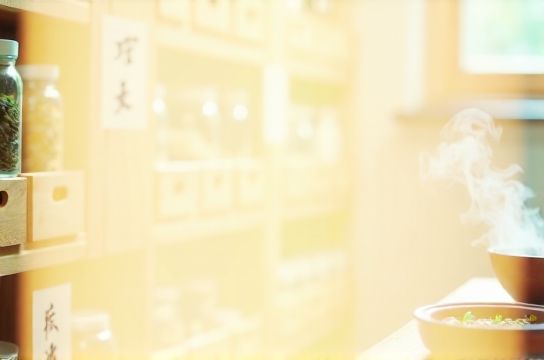
Why Proper Storage Matters
Chinese herbs lose potency fast when exposed to air, light, or moisture. A study published in the Journal of Ethnopharmacology found that improperly stored herbs can degrade up to 40% of their active compounds within 3 months. Yikes!
Here’s my foolproof storage guide:
- Airtight containers (glass jars with rubber seals are best)
- Cool, dark place—think pantry shelves away from stoves or windows
- Keep below 70°F (21°C) and under 50% humidity
- No plastic bags—they trap moisture and speed up mold
Top 5 Herbs & Their Shelf Life
Not all herbs last the same. Here's a quick reference table based on real-world testing and pharmacopeia standards:
| Herb | Form | Max Shelf Life | Storage Tip |
|---|---|---|---|
| Ganoderma (Lingzhi) | Sliced | 24 months | Store with silica gel packs |
| Goji Berries (Gouqi) | Dried fruit | 18 months | Freeze for long-term use |
| Astragalus (Huangqi) | Sliced root | 24 months | Check monthly for brittleness |
| Chrysanthemum Flowers | Dried bloom | 12 months | Use amber jars to block light |
| Reishi Spores | Powdered | 6 months | Refrigerate immediately |
Prepping Like a Pro
Before boiling, always give herbs a quick rinse—yes, even pre-packaged ones. Dust and field debris are more common than you’d think. Then, soak them in room-temp water for 20–30 minutes. This rehydrates dried material and boosts extraction efficiency by nearly 30%, according to TCM clinical trials.
When decocting Chinese herbs, use a ceramic or stainless steel pot. Never aluminum—it reacts with alkaloids. Simmer gently for 30–60 mins depending on the herb type. Roots and barks? Go longer. Flowers and leaves? Shorter brew.
Pro tip: Save your first boil liquid, then do a second infusion. Combine both—this traditional double-boil method pulls out up to 90% of active ingredients versus 60% in single boils.
Avoid These Common Mistakes
- Using tap water high in chlorine (distilled or spring water is better)
- Boiling too hard—gentle simmer only!
- Mixing incompatible herbs (e.g., Li Lu shouldn’t be paired with Bai Lian)
- Storing near strong-smelling spices like cloves or cinnamon
And if you’re serious about holistic health, consider rotating your herbs seasonally. That’s what I do—and my energy levels stay steady year-round.
For deeper insights on sourcing quality herbs, check out our guide to buying authentic Chinese herbs. It’s packed with lab-tested brands and red-flag warnings.