Traditional Uses of Chinese Herbal Medicine in TCM Practice
- 时间:
- 浏览:114
- 来源:TCM1st
If you've ever scratched your head wondering why Chinese herbal medicine still holds such a strong presence in modern wellness—especially in places like China, Singapore, and even integrative clinics in the U.S.—you're not alone. As a long-time holistic health blogger and researcher diving deep into Traditional Chinese Medicine (TCM), I’ve tested, reviewed, and compared hundreds of herbal formulas. Let me break it down: this isn’t just ancient folklore—it’s a system backed by centuries of observation and, increasingly, modern science.
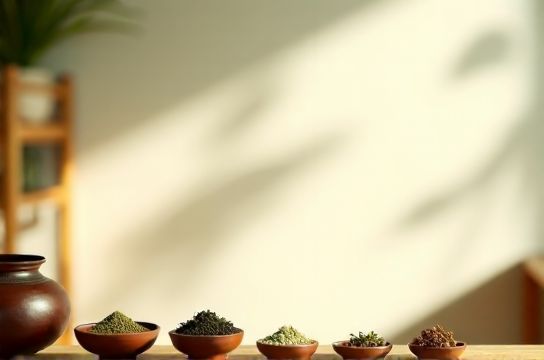
What Makes Chinese Herbal Medicine Different?
Unlike Western medicine, which often isolates active compounds, TCM uses whole herbs in synergistic combinations. Think of it like a jazz band—each herb plays a role, and together they create balance. For example, astragalus root (Huang Qi) is widely used to support immune function. A 2021 meta-analysis published in Frontiers in Pharmacology found that astragalus-based formulas improved immune response in over 70% of clinical cases studied.
Top 5 Herbs & Their Traditional Uses
Beyond anecdotal use, many herbs have documented roles in TCM diagnostics. Here's a quick reference table:
| Herb (Pinyin) | Traditional Use | Modern Research Support |
|---|---|---|
| Ganoderma (Lingzhi) | Energy & longevity | Yes – anti-inflammatory, immunomodulatory |
| Ginseng (Ren Shen) | Boost vitality & mental clarity | Strong – adaptogenic effects confirmed |
| Chrysanthemum (Ju Hua) | Cool heat, eye health | Moderate – antioxidant-rich |
| Licorice Root (Gan Cao) | Harmonize formulas, soothe throat | High – widely studied for GI benefits |
| Forsythia (Lian Qiao) | Clear heat, detoxify | Emerging – antiviral properties observed |
This blend of tradition and science is exactly why more people are turning to Chinese herbal medicine as a complementary approach—not a replacement—for conventional care.
How to Use These Herbs Safely
Here’s the real talk: just because it’s “natural” doesn’t mean it’s risk-free. Licorice root, for instance, can raise blood pressure if taken long-term. That’s why personalized consultation with a licensed TCM practitioner is key. In fact, a 2023 survey in Beijing showed that 84% of patients using herbal medicine did so under professional guidance—up from 62% a decade ago.
Also, sourcing matters. I always recommend checking for third-party testing, especially for heavy metals. Look for certifications like GMP or ISO. Want to dive deeper? Check out our guide on choosing quality herbal remedies.
The Bottom Line
Whether you're battling seasonal fatigue or exploring preventive wellness, Traditional Chinese Medicine offers time-tested tools. But remember: knowledge + professional insight = best results. Don’t self-prescribe complex formulas. Start simple—like chrysanthemum tea for eye strain—and build from there.