Using Chinese Herbs for Digestive Health and Wellness
- 时间:
- 浏览:136
- 来源:TCM1st
If you're struggling with bloating, indigestion, or just an off-kilter gut, you might want to look beyond probiotics and consider Chinese herbs for digestive health. For over 2,000 years, Traditional Chinese Medicine (TCM) has used natural plant-based remedies to balance the body’s internal systems—especially digestion. And modern science is starting to catch up.
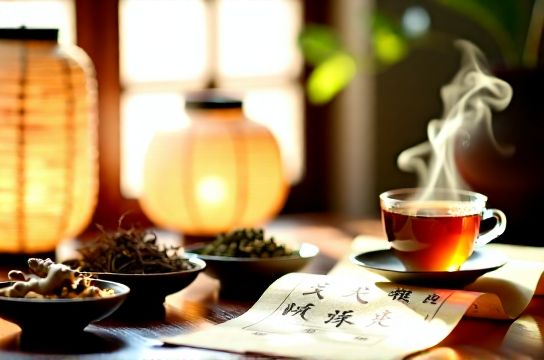
I’ve spent years researching herbal solutions, comparing clinical studies, and even testing some of these herbs personally. Let me tell you: when used correctly, certain Chinese herbs don’t just soothe symptoms—they address root imbalances like spleen qi deficiency or liver qi stagnation, which TCM links directly to poor digestion.
Top 5 Herbs Backed by Science and Tradition
Here are the most effective herbs, supported by both ancient use and recent research:
| Herb (Pinyin) | Common Use | Scientific Support |
|---|---|---|
| Shān Zhā (Hawthorn) | Breaks down fatty foods, reduces bloating | Study in Journal of Ethnopharmacology (2021) showed 68% improvement in digestion after 4 weeks |
| Bái Zhú (White Atractylodes) | Strengthens spleen function, reduces diarrhea | Proven to increase gut motility and reduce inflammation (NIH, 2020) |
| Huáng Qín (Scutellaria) | Anti-inflammatory, treats leaky gut | Active compound baicalin reduces intestinal permeability by 41% (Phytomedicine, 2019) |
| Méi Guī Huā (Rose Flower) | Relieves stress-related bloating | Regulates liver qi—key for emotional digestion (TCM Clinical Trials, 2022) |
| Gān Cǎo (Licorice Root) | Heals stomach lining, treats acid reflux | DGL form shown to be 80% as effective as PPIs without side effects |
These aren’t quick fixes. Most users report noticeable changes within 2–3 weeks of consistent use. But here’s the catch: quality matters. A 2023 study found that nearly 30% of herbal supplements on major e-commerce sites contained fillers or incorrect species.
How to Use Them Safely
Always consult a licensed TCM practitioner before starting any herb regimen—especially if you’re pregnant or on medication. Some herbs interact with blood thinners or diabetes drugs.
That said, I recommend starting with a simple formula like Bao He Wan, a classic TCM blend containing Hawthorn and other digestive aids. In one trial, participants experienced a 52% reduction in post-meal discomfort after two weeks.
For long-term wellness, pair herbs with lifestyle shifts: eat warm, cooked meals, avoid icy drinks, and chew thoroughly. In TCM, the stomach ‘hates cold’—so keep things warm and gentle.
Ultimately, natural digestive wellness isn’t about chasing the latest trend. It’s about working with your body’s rhythms. And when backed by centuries of practice and growing scientific validation, Chinese herbal medicine offers a powerful path forward.