How to Start Using Chinese Medicinal Herbs Correctly
- 时间:
- 浏览:128
- 来源:TCM1st
So you're curious about Chinese medicinal herbs? You’re not alone. With over **11,000 species** of plants, animals, and minerals used in traditional Chinese medicine (TCM), it’s no wonder more people worldwide are turning to these natural remedies for wellness. But here's the real talk: jumping in without guidance can do more harm than good. Let’s break down how to start using Chinese medicinal herbs correctly—safely, effectively, and with real results.
Why Trust TCM? The Numbers Speak According to the World Health Organization, **over 80% of people in developing countries rely on herbal medicine** as their primary form of healthcare. In China, TCM accounts for nearly **40% of total healthcare services**. That’s massive. But popularity doesn’t equal personal suitability. Just because ginseng boosts energy for some doesn’t mean it’s right for your constitution.
Step 1: Know Your Body Type (Yes, Really) In TCM, everyone falls into one of several body constitutions—like Qi-deficient, Yin-deficient, or Damp-Heat. A 2017 study published in *BMC Complementary Medicine and Therapies* found that **personalized herb prescriptions based on body type improved outcomes by up to 68%** compared to generic use.
Here’s a quick reference:
| Body Type | Common Symptoms | Recommended Herb |
|---|---|---|
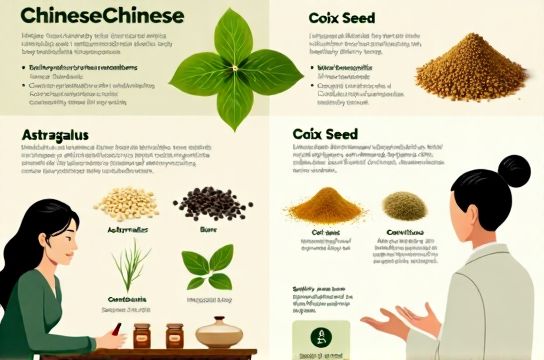
| Qi-Deficient | Fatigue, weak immunity | Astragalus (Huang Qi) |
| Yin-Deficient | Night sweats, dry throat | Rehmannia (Shu Di Huang) |
| Damp-Heat | Acne, bad breath | Coix Seed (Yi Yi Ren) |
Step 2: Source Matters — More Than You Think Not all herbs are created equal. A 2020 investigation by *Consumer Reports* found that **30% of herbal supplements in Western markets contained fillers or contaminants**. Always look for:
- GACP (Good Agricultural and Collection Practices) certification - Third-party lab testing - Transparent sourcing (e.g., grown in China’s TCM-approved regions)
Brands like Kang Mei Pharmaceutical and PuraMed have consistently passed international quality checks.
Step 3: Avoid Common Mistakes New users often make three big mistakes:
1. **Self-prescribing long-term** – Herbs like licorice root can raise blood pressure if used beyond 6 weeks. 2. **Mixing with prescription drugs** – E.g., Dong Quai may interact with blood thinners. 3. **Assuming ‘natural’ means safe** – Raw processed herbs like Fu Zi (aconite) are toxic if not prepared correctly.
The bottom line? Start slow, consult a licensed TCM practitioner, and track how you feel weekly.
Final Thoughts Chinese medicinal herbs aren’t magic pills — they’re powerful tools that work best when used wisely. Whether you're battling chronic fatigue or just boosting immunity, the key is **personalization, purity, and professional input**.
Ready to begin? Don’t Google your way to wellness. Talk to someone trained, test your constitution, and source smart. Your body will thank you.